

European buyers are facing the tightest fiber optic supply conditions in nearly a decade. Here is what is driving the shortage—and how to secure your allocation.
If you are sourcing bare optical fiber for FPV drone production or telecom infrastructure in Europe, you have likely encountered the same frustrating reality: G657A2 fiber is sold out. Lead times have stretched from weeks to months. Spot availability has evaporated. And prices continue climbing.
This is not a temporary logistics issue. It is a structural supply-demand crisis driven by two unstoppable forces: AI data centers and drone optical fiber demand.
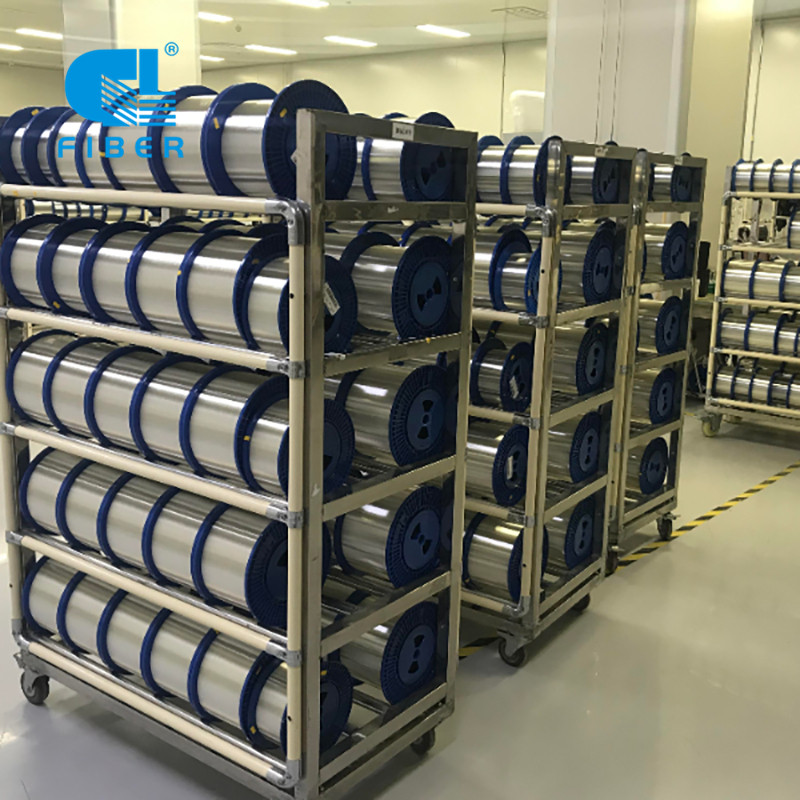
The Supply-Demand Gap: By the Numbers
Metric Figure Source
G.657.A2 price increase (YoY) +650% (32 → 240 RMB/km) CCTV Finance
2026 global fiber demand >800 million core-km CITIC Securities
2026 supply gap 180 million core-km CRU Estimate
Preform capacity expansion cycle 18–24 months Industry Standard
The math is simple: demand is growing faster than supply can respond.
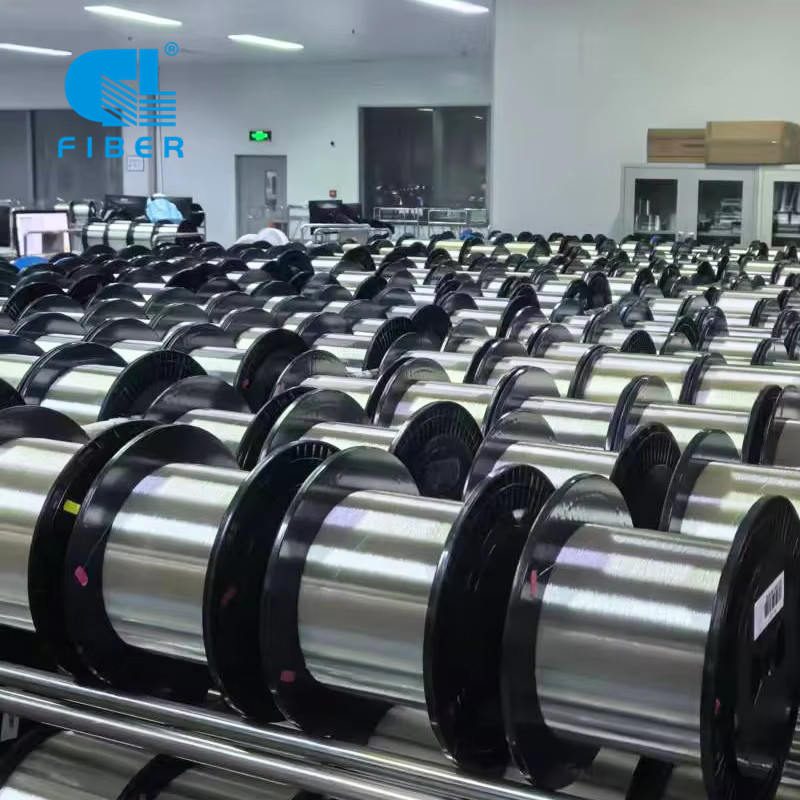
Why Europe Is Hit Hardest?
1. Ukraine and Poland: The Drone Demand Surge
Europe has become the epicenter of drone optical fiber consumption. Fiber-optic guided drones are immune to electronic jamming, making them essential in modern defense operations. Each mission consumes 20–40 kilometers of specialized 0.25mm bare fiber—and the fiber is not recovered.
Ukraine’s import data confirms the scale:
January–April 2026 imports of insulated wires and cables (including fiber optic cables) rose 23.8% year-over-year to $220.8 million
China is the largest supplier, accounting for $59 million (26.7%) of Ukraine’s imports
Poland is also emerging as a production hub. Fibrain, one of only two European companies with preform-to-fiber manufacturing capability, announced a PLN 280 million expansion in September 2026 to triple its fiber output—explicitly citing “drone technologies” as a key demand driver .
2. The AI Data Center Factor
Simultaneously, European AI infrastructure build-outs are consuming fiber at unprecedented rates. A single GPU cluster requires 5–10 times more fiber than traditional data centers . Global data center fiber demand reached 69.6 million core-km in 2025 and is projected to exceed 100 million core-km in 2026 .
3. The Preform Bottleneck
The root cause lies upstream. Optical fiber preforms—the high-purity glass rods from which fiber is drawn—account for approximately 70% of production costs. Expanding preform capacity requires 18–24 months and massive capital investment .
Fewer than 10 companies worldwide manufacture preforms . When demand surges, there is no quick fix.
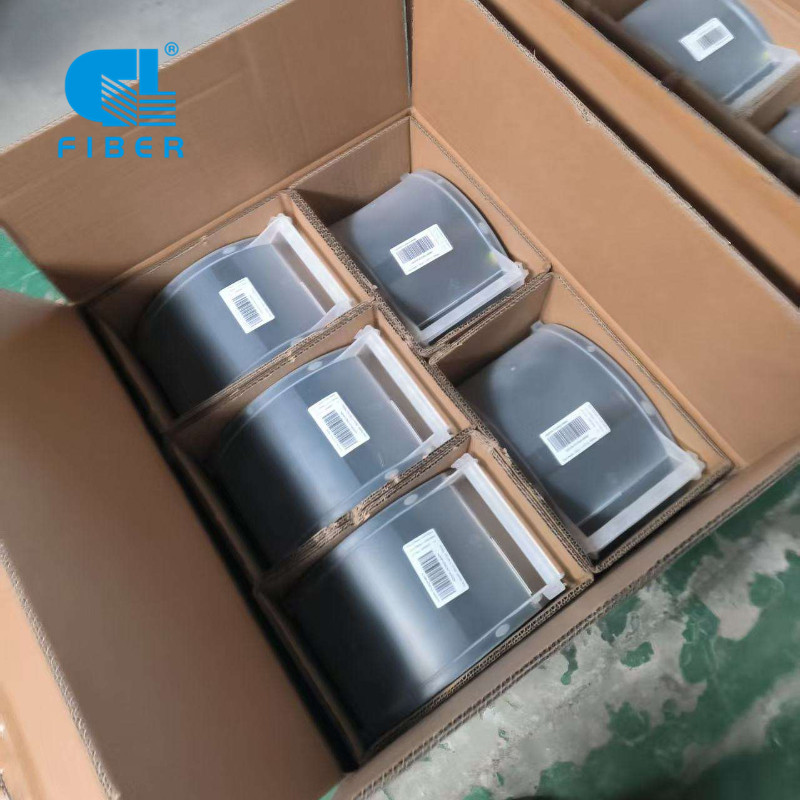
China’s Domestic Market: The Price Reality
The Chinese market provides the clearest picture of where prices are heading. G.657.A2 fiber has surged from 32 RMB/km to 240 RMB/km over the past year—a 650% increase .
Major manufacturers are running at full capacity:
Manufacturer Status Key Signal
YOFC Fully booked through Q1 2027 H1 2026 revenue +53.64%, net profit +888.88%
Hengtong Full capacity, long-term AI contracts signed Expanding Inner Mongolia facility by 1.5x
ZTT High utilization H1 2026 net profit +52.29%
FiberHome All lines at full capacity Data center focus
China Mobile’s September 2026 fiber procurement saw 17 of 18 bidders quote at the maximum ceiling price—confirming that buyers are prioritizing allocation over price negotiation .
Current Pricing (October 2026)
Fiber Type Price Range (USD/km) Availability
G.657.A2 (0.25mm) $28–35/km Extremely tight
G.657.A1 $17–20/km Limited
G.652.D $12–17/km Tight
For 50.4km fiber optic spool quantities, expect to pay at the upper end of these ranges—if you can find allocation at all.
How to Secure Your G657A2 Supply?
1. Stop Waiting for Prices to Drop
Industry analysts project the supply-demand gap will persist through at least late 2027 . New preform capacity announced in 2026 will not reach qualified production until 2028 at the earliest .
2. Lock In Long-Term Contracts Now
Major European and Chinese buyers have already shifted to long-term agreements with prepayment. As one industry report noted: “One group of buyers is blocking production slots, accepting prepayment terms, and treating allocation as the priority” .
3. Verify What You Are Buying
The shortage has created a market for substandard fiber. G.657.A1 fiber is frequently mislabeled as A2 because they look nearly identical. The difference is critical:
Parameter G.657.A1 G.657.A2 (Genuine)
Min. Bend Radius 10 mm 7.5 mm
Macrobending Loss (1550nm, 15mm) ≤ 0.25 dB ≤ 0.03 dB
For drone optical fiber applications, A1 fiber will fail during dynamic deployment. Demand batch-specific test reports—not “typical values.”
4. Partner with a Source Factory
In a supply-constrained market, traders cannot guarantee allocation. GL FIBER controls its own preform and drawing capacity, offering:
Direct factory pricing – no middleman markups
Batch traceability – every 50.4km spool documented
Priority allocation – direct clients served first
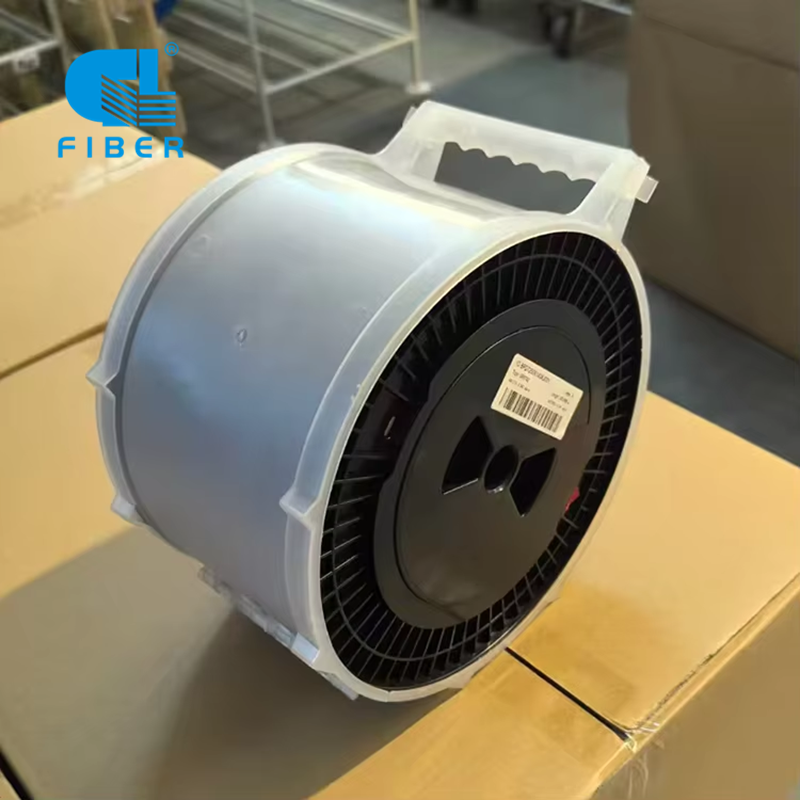
Why GL FIBER?
With 22+ years of manufacturing experience, GL FIBER is a trusted source factory for G657A2 bare fiber:
- ISO9001, ISO14001, OHSMS18001 certified
- Full process control – from preform to finished fiber optic spool
- 0.25mm / 0.27mm / 0.30mm diameter options
- 25.2km / 50.4km industrial reels
- Serving 200+ countries and regions
Contact GL FIBER Today
Don’t let the European shortage derail your production. Secure your G657A2 drone fiber allocation now.
Let GL FIBER shine all over the world. Light the world, one connection at a time.