

The fiber optic market has entered dangerous territory. As g657a2 fiber price hits $33/km—a 560% surge since January 2026—unscrupulous sellers are exploiting desperate buyers.
At GL FIBER, a communication fiber manufacturer with 22 years of production experience, we are seeing an alarming trend: G.657.A1 fiber being labeled and sold as premium G.657.A2. The two products look nearly identical, but their field performance is worlds apart.
This quality alert gives you 5 key steps to protect your supply chain, whether you need single mode fiber for telecom or drone optical fiber for defense projects.
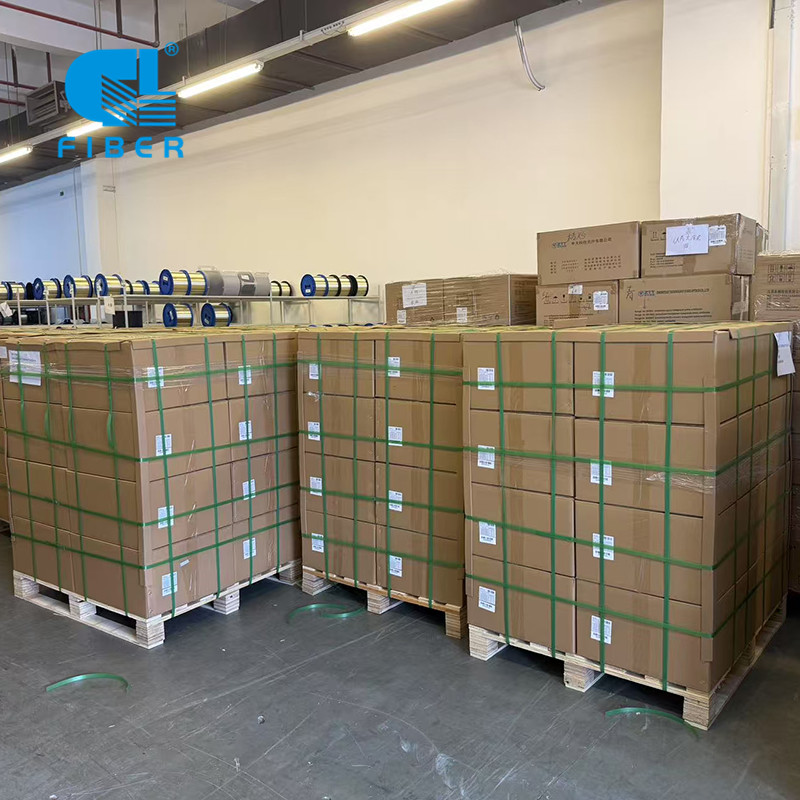
First, Know the Real Market Prices
Before you buy, understand current pricing. These numbers are your first line of defense against fraud:
Fiber Type Current Price (April 2026) Typical Application
G.652.D $12–17/km Standard telecom, general use
G.657.A1 $16.50–19.50/km FTTH, residential bends
G.657.A2 $30–33/km Drones, AI data centers, tight spaces
The red flag: If someone offers G.657.A2 at $15–20/km, they are likely selling you A1 fiber at a markup. You overpay for the wrong product.
Why Demand Is Exploding?
Two forces are driving the current shortage:
1. Drone Fiber in Ukraine
Fiber-optic guided FPV drones consume 20–40 km of G.657.A2 fiber per mission. The fiber is rarely recovered, making this pure consumable demand.
Key data for optic fiber ukraine:
- Imports of cable products to Ukraine jumped 13.8% year-over-year to $46.3 million (January 2026)
- Export prices to the region have increased 2.5–4 times since early 2025
- Tax exemptions for drone manufacturers have accelerated demand for optical fiber fpv
2. AI Data Centers
A single GPU cluster requires up to 36 times more fiber than traditional server racks. Major cloud providers have committed over $600 billion in 2026 AI infrastructure spending.
Meanwhile, preform capacity—the bottleneck that controls global fiber supply—takes 18–24 months to expand. Every major manufacturer is already at 100% capacity.
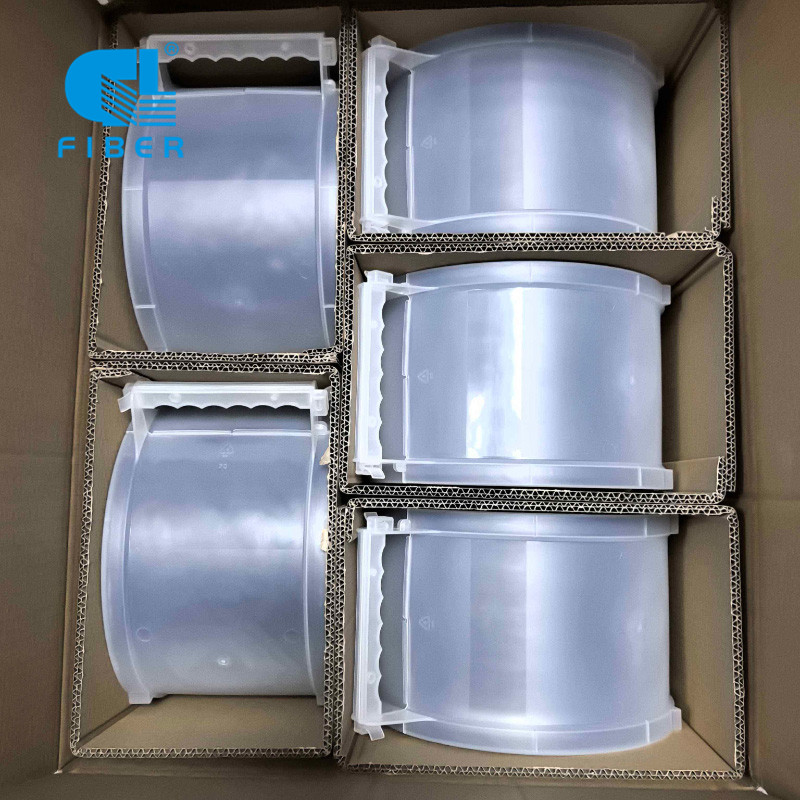
The A1 vs. A2 Difference: Why It Matters?
G.657.A1 and G.657.A2 look identical to the naked eye. But their specifications tell a different story:
- Parameter G.657.A1 Real G.657.A2 Why It Matters
- Minimum bend radius 10 mm 7.5 mm A2 survives tighter bends
- Macrobending loss (1550nm, 15mm radius) ≤0.25 dB ≤0.03 dB A2 has ~88% lower signal loss
- Best for FTTH, gentle bends Drones, AI racks, MDUs A2 is mission-critical for tough environments
- The risk: If you buy A1 labeled as A2 for drone optical fiber applications, the fiber can fail during extreme bending in the field. Your drone loses signal at the worst possible moment.
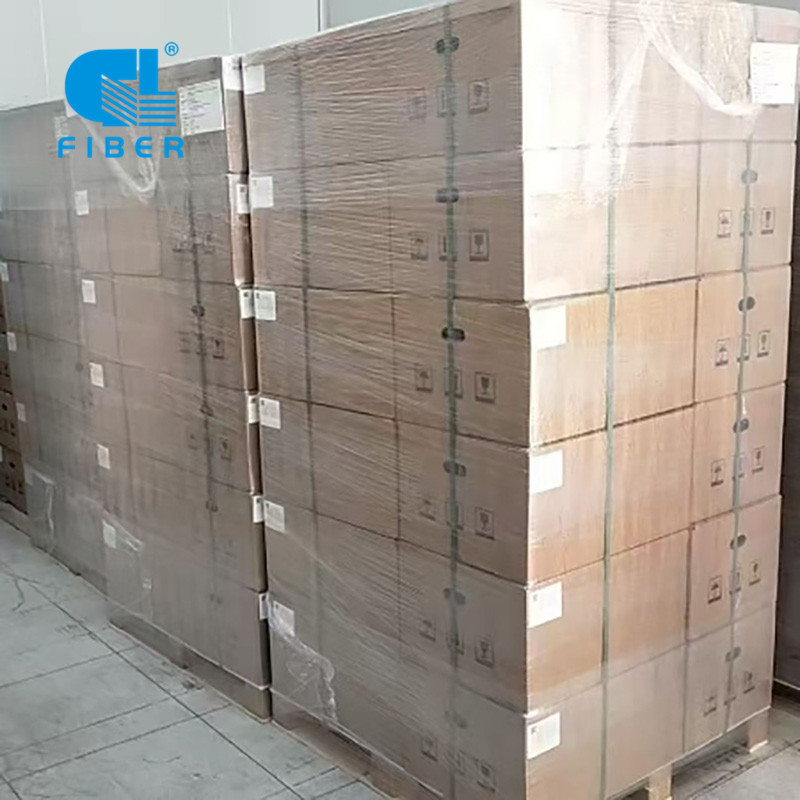
5 Key Steps to Avoid A1 Substitutions and Fake Products
Step 1: Demand Macrobending Loss Test Reports
Real G.657.A2 fiber passes the bend test. Fake A1 fails.
What to ask for: Batch-specific test reports at 1550nm and 1625nm with a 15mm bend radius. Real A2 shows ≤0.03 dB loss. A1 shows ≥0.25 dB loss.
Do not accept: "Typical values" or "certificates from last year." Demand data from your specific batch.
Step 2: Verify ITU-T Compliance Certificates
Legitimate bare optical fiber comes with ITU-T G.657.A2 documentation.
What to ask for: Certificates that match your shipment's batch number. Cross-reference the manufacturer's name, date, and specification details.
Red flag: "Documentation is not available" or "We will send it after payment."
Step 3: Question Unrealistic Pricing
Simple math protects you:
Real G.657.A2 costs $30~33/km from legitimate sources
G.657.A1 costs $16.50–19.50/km
If a supplier quotes $20–22/km for "G.657.A2," they are likely selling A1 at a 20–30% markup. You lose money and get lower performance.
Step 4: Inspect the Supplier, Not Just the Price
Safe Supplier High-Risk Supplier
- Factory with 10+ years history Recently registered company
- Accepts factory visits or video calls Refuses any verification
- Provides batch test reports "Reports are confidential"
- Reasonable payment terms (30% deposit) Demands 100% upfront
- Clear traceability from preform to spool Vague or no manufacturing info
- GL FIBER has been manufacturing communication fiber for 22 years. We welcome factory visits and video calls because we have nothing to hide.
Step 5: Get Everything in Writing Before Payment
Before you send a single dollar, request:
- Batch-specific test reports (macrobending loss at 1550nm and 1625nm)
- ITU-T G.657.A2 compliance certificate matching your batch
- Traceability documentation from preform to finished fiber optic spools
- Commercial invoice with clear fiber type and specifications
- Any hesitation from the seller is a red flag. Walk away.
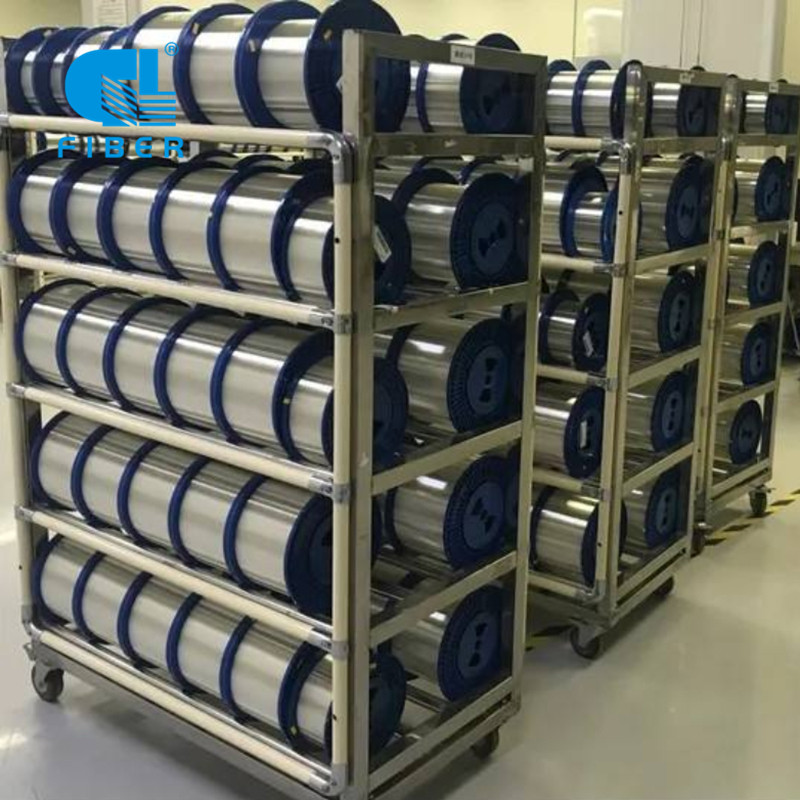
Will Prices Drop in 2026?
Timeframe What to Expect
Q2–Q3 2026 Prices remain high or rise further. Quotes often expire in 24 hours.
Q4 2026 High plateau. No meaningful decline this year.
2027 New preform capacity may arrive late 2027.
2028+ Return to 2024 price levels is unlikely.
The bottom line: Waiting for a price drop is not a strategy. The current pricing reflects structural demand from AI and defense sectors, not temporary speculation.
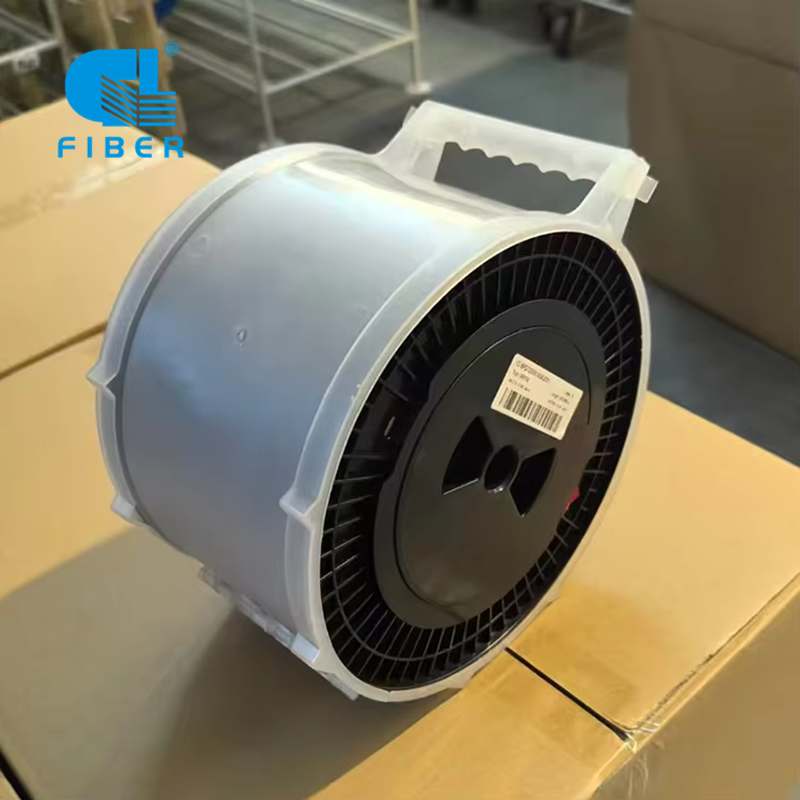
When Is the Best Time to Purchase Drone Fiber?
Now. Lead times have stretched from 8–12 weeks to 20+ weeks.
If you have projects planned for Q3 or Q4 2026, place orders today. Manufacturers are prioritizing clients with long-term agreements. Spot buying is the most expensive way to purchase fiber right now.
For drone fiber ukraine specifically: Government demand will continue prioritizing defense supply chains. Secure your allocation now.
Summary: Your Pre-Purchase Checklist
Before buying G.657.A2 fiber, verify:
- Macrobending loss ≤0.03 dB at 1550nm (15mm radius)
- ITU-T G.657.A2 certificate matching your batch
- Price is $30–33/km (not $15–20/km)
- Supplier is a source factory, not a trader
- Test reports, certificates, and traceability in hand before payment
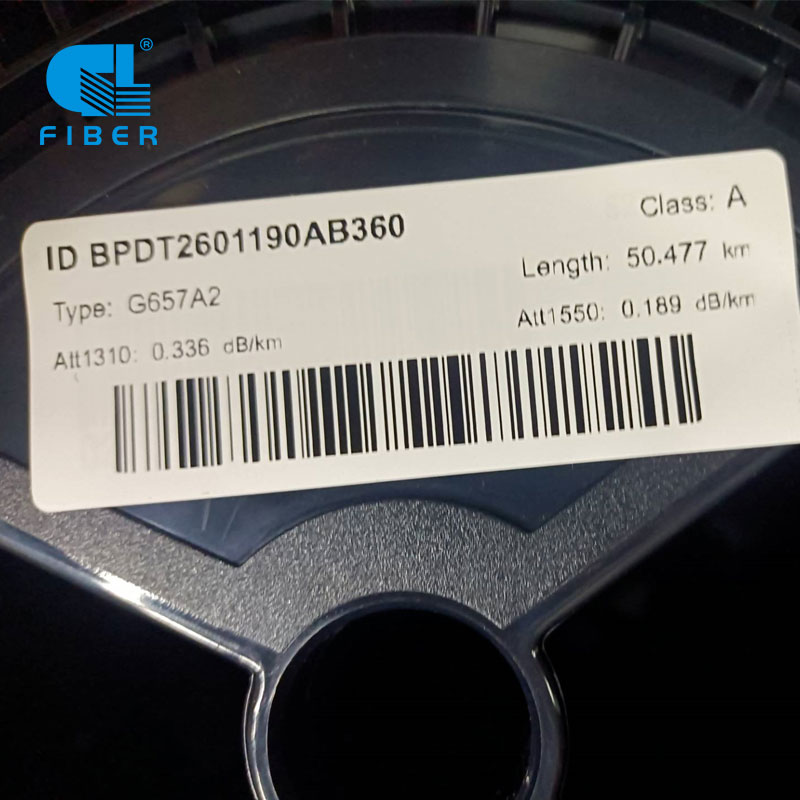
Why GL FIBER?
With 22 years of bare optical fiber manufacturing, GL FIBER offers what fly-by-night suppliers cannot:
- Our Advantage Your Benefit
- 22 years in business Stability you can trust
- Source factory Direct pricing + supply transparency
- 2,000 km/day A2 output Capacity to meet urgent needs
- Full customization Cladding, coating, spool size options
- Factory visits welcome See your fiber being made
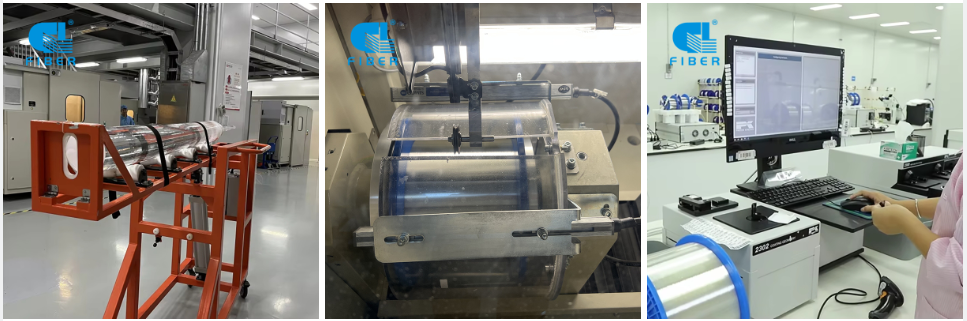
Bottom Line
The g657a2 fiber price surge is real. The demand from drone fiber ukraine and AI data centers is real. And the counterfeit problem is growing.
Now you know 5 key steps to avoid A1 substitutions and fake products. Whether you need single mode fiber for infrastructure or drone optical fiber for defense applications, verify before you buy.
The cheapest quote is almost never the best value.
Need verified G.657.A2 fiber with full test reports? Contact GL FIBER for current pricing, batch-specific documentation, and factory-direct supply. We maintain substantial A2 inventory and welcome your inspection.