

If you are sourcing g657a2 fiber for fpv drone fiber applications, you have likely noticed a dramatic shift in market conditions. Prices have surged, lead times have extended, and counterfeit products are becoming increasingly common. As a 22-year manufacturer of single mode fiber and bare fiber, GL FIBER provides this comprehensive guide to help you navigate current market dynamics and make informed procurement decisions.
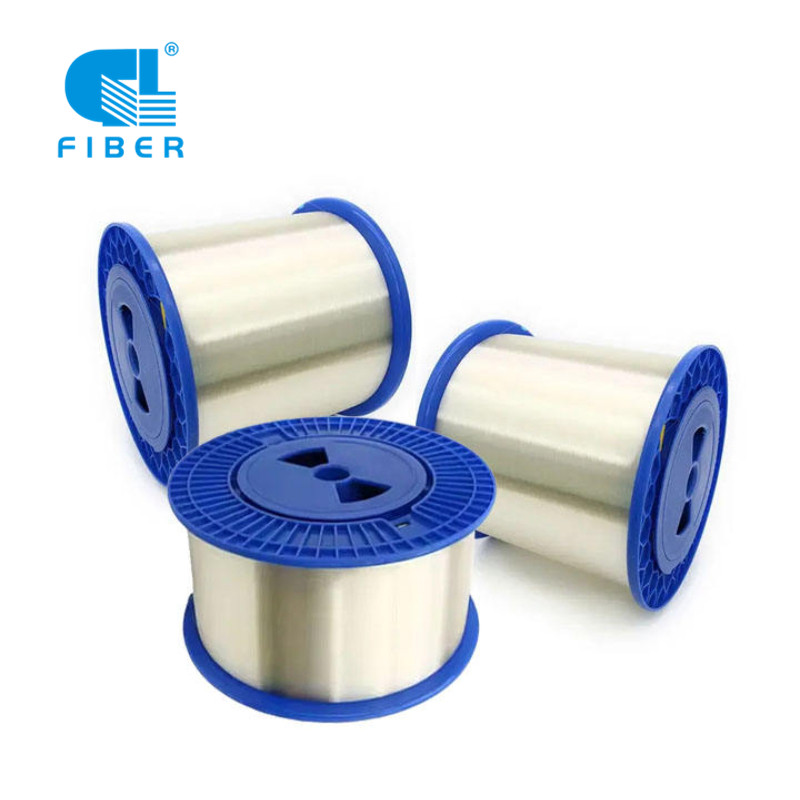
Why G657A2 Fiber Is the Standard for FPV Drone Tethers?
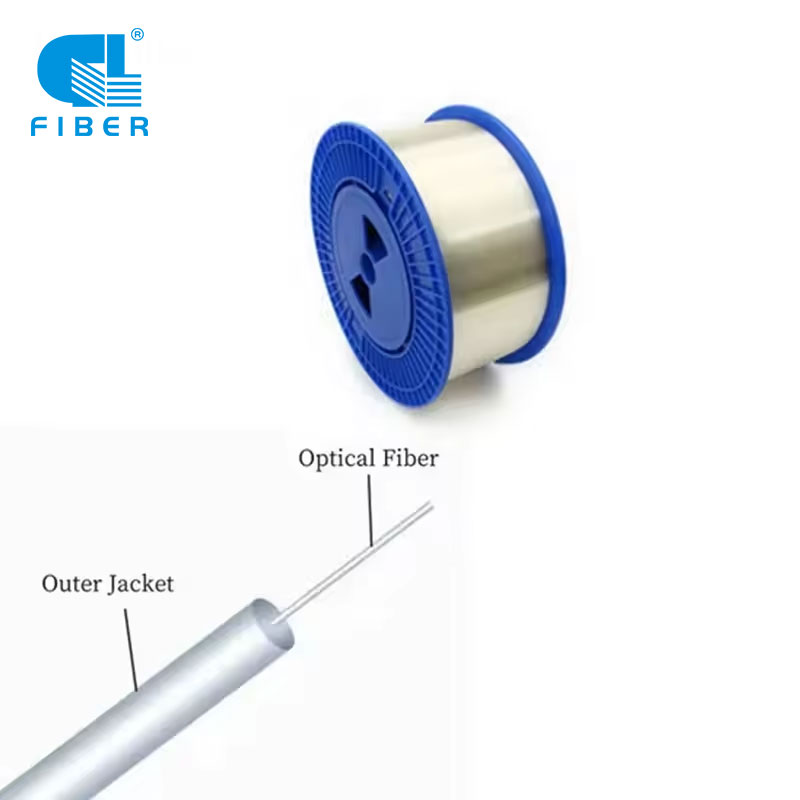
G.657.A2 bend-insensitive optical fiber has emerged as the industry benchmark for fiber-optic drone systems. Unlike traditional radio-controlled drones that are vulnerable to jamming, fiber-optic tethered drones transmit control and video signals through a physical cable—making them immune to electronic interference .
Key characteristics that make G.657.A2 ideal for drone applications:
- Minimum bend radius of 7.5mm – 25% better than G.657.A1, essential for tight spooling and unspooling during flight
- Superior macrobending loss – ≤0.03 dB at 1550nm (15mm radius), approximately 88% lower loss than A1 in tight bends
- Ultra-micro diameters – Available in 0.20mm, 0.25mm, and 0.27mm to minimize payload weight and drag
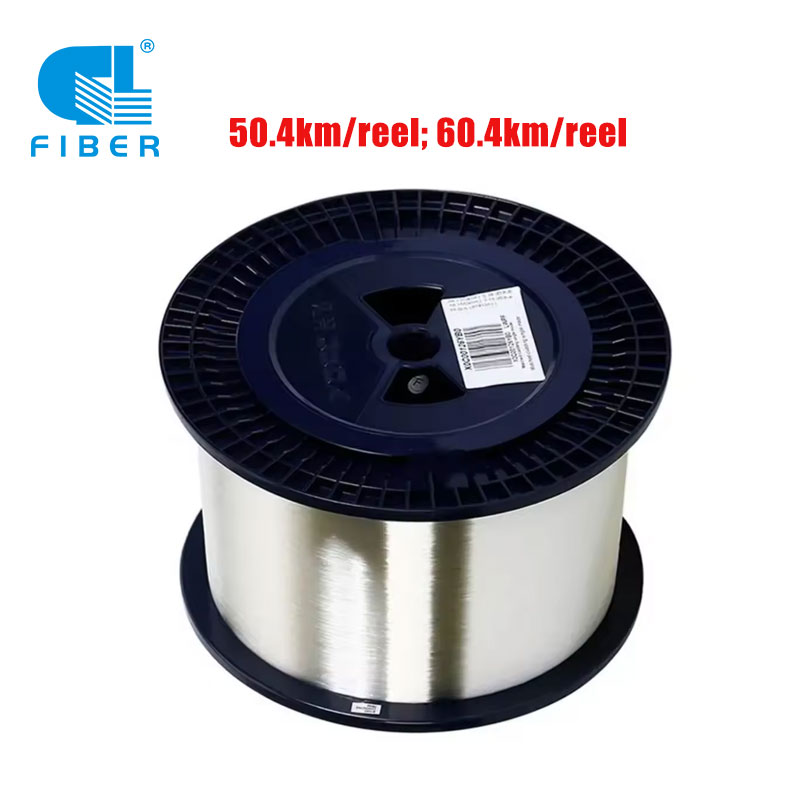
- Long transmission lengths – Standard spools of 50.4km and 60.4km support extended missions
- Each FPV drone mission typically consumes 20–40 kilometers of specialized fiber, and because the fiber is not recovered after deployment, this has transformed bare optical fiber from infrastructure into a consumable product.
Current Market Pricing & Demand Drivers
Price Trends
The fiber optic market has experienced unprecedented price increases over the past year :
Fiber Type Early 2025 Price Current Price (Mid-2026) Increase
G.657.A2 ~$5/km (¥32-35) $26–33/km +550–650%
G.657.A1 ~$3.30/km $16.50–19.50/km +400–490%
G.652.D ~$2.60/km $12–17/km +380–550%
GL FIBER’s current pricing: $26/km on 50.4km spools – genuine G.657.A2, factory-direct.
Three Factors Driving the Surge
1. AI Data Center Expansion – GPU clusters require up to 10 times more fiber than traditional data centers, and AI-driven fiber demand is projected to reach 35% of the global market by 2027 .
2. FPV Drone Revolution – Combined Russian and Ukrainian fiber-optic drone consumption reached 50–60 million kilometers in 2025, with drone-related fiber demand expected to reach 80 million core-km in 2026. The U.S. has also entered the space with NDAA-compliant fiber-optic FPV drones .
3. Preform Supply Bottleneck – Optical fiber preforms account for ~70% of production costs, and expanding capacity requires 18–24 months. Major manufacturers are running at full capacity with orders booked through Q1 2027 .
Key Product Specifications: GL FIBER G657A2 Bare Fiber
Parameter Specification
- Fiber Type ITU-T G.657.A2 bend-insensitive single-mode
- Cladding Diameter 125.0 ± 0.7 μm
- Coating Diameter 245 ± 10 μm (0.25mm); also available in 200μm, 270μm
- Attenuation @ 1310nm ≤ 0.35 dB/km
- Attenuation @ 1550nm ≤ 0.21 dB/km
- Macrobending Loss (1 turn, Φ15mm @1550nm) ≤ 0.5 dB
- Macrobending Loss (10 turns, Φ30mm @1550nm) ≤ 0.03 dB
- Proof Test ≥ 9.0N, ≥ 1.0%
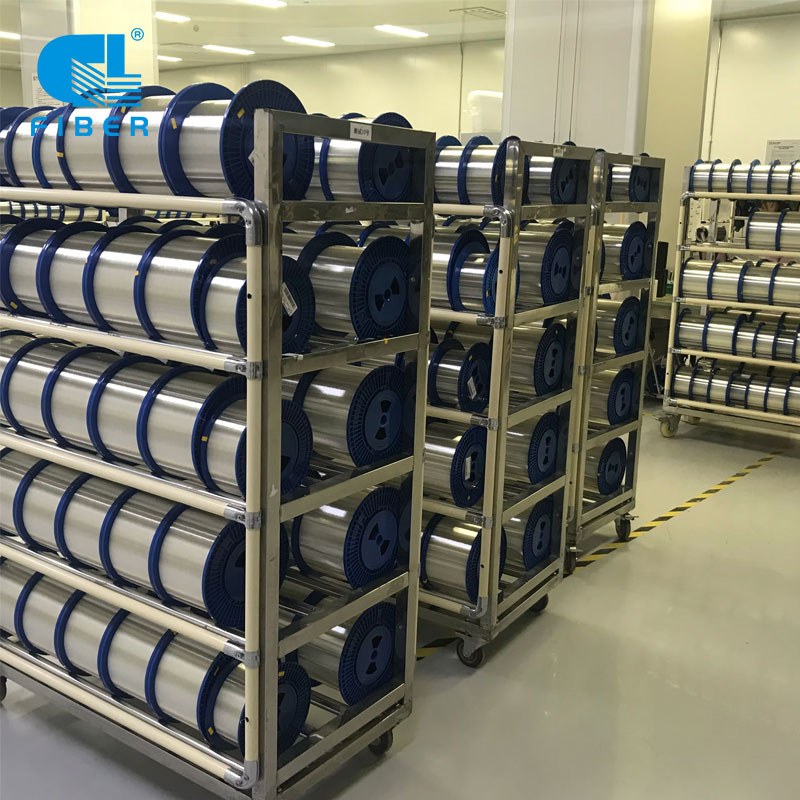
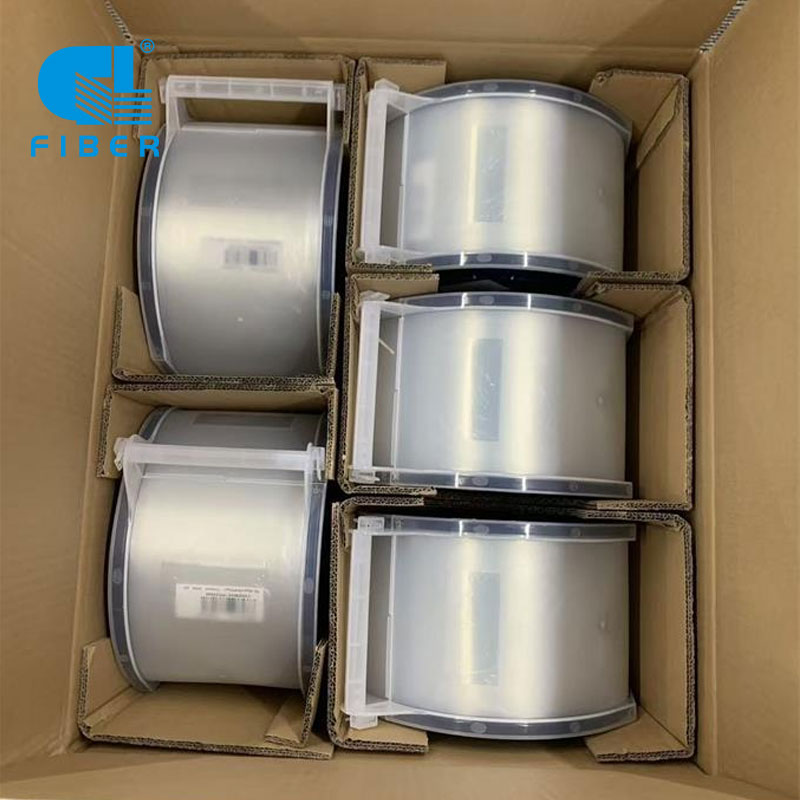
- Available Spool Lengths 1km to 60.4km (standard: 50.4km, 60.4km)
Available diameters for drone applications:
- 0.20mm – Ultra-lightweight, minimal drag
- 0.25mm – Standard, reliable performance
- 0.27mm – Enhanced mechanical robustness
How to Avoid Buying Fake or Substandard G657A2 Fiber?
The dramatic price surge has created a perfect environment for counterfeit products. Here are GL FIBER’s recommendations for protecting your supply chain:
1. Verify Macrobending Performance
Genuine G.657.A2 fiber must demonstrate ≤0.03 dB loss at 1550nm with a 15mm bend radius. Demand batch-specific test reports – never accept "typical values."
2. Check Physical Specifications
Cladding diameter: 125.0 ± 0.7 μm
Coating diameter: 245 ± 10 μm
Look for consistent coating color and smooth surface quality
3. Question Unrealistic Pricing
When legitimate suppliers quote $26–33/km for G.657.A2, offers at $15–18/km are almost certainly A1 fiber or substandard product. The A1 vs. A2 difference is critical – A1 supports only a 10mm bend radius and has ~88% higher macrobending loss .
4. Verify ITU-T Compliance Documentation
Certificates should match your shipment's batch number and confirm compliance with ITU-T G.657.A2 standards.
5. Watch for Red Flags
"No documentation available"
Inability to arrange factory visits or video calls
Pressure tactics with "today-only" offers
Requests for 100% upfront payment without established relationship
6. Partner with Source Factories
In a supply-constrained market, traders cannot guarantee allocation or authenticity. A source factory that controls its own preform and drawing capacity provides direct quality visibility, batch traceability, and priority allocation .
Why GL FIBER?
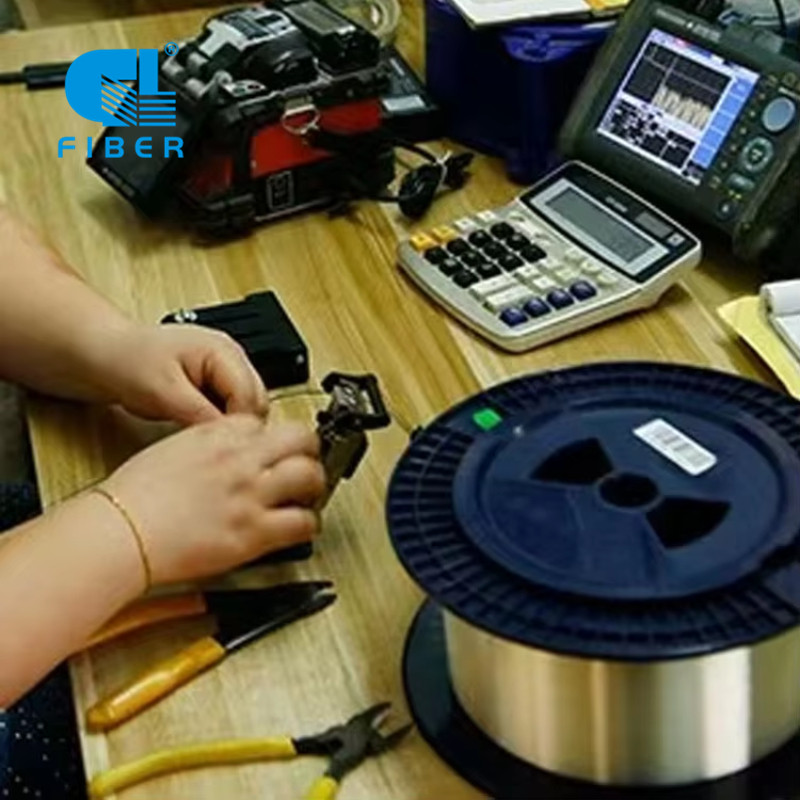
With 22+ years of manufacturing experience since 2004, GL FIBER is a trusted source factory for optical fiber and FPV drone fiber products:
- 550+ employees, 70% in technical and R&D roles
- ISO9001, ISO14001, OHSMS18001 certified
- Full process control – from preform to finished spool
- Complete transparency – factory visits and video calls always welcome
- Serving 200+ countries and regions
Current G.657.A2 pricing: $26/km on 50.4km spools – genuine, tested, and ready to ship.
Conclusion
The era of cheap fiber is over. The convergence of the FPV drone revolution and AI infrastructure build-outs has created a structural supply-demand imbalance for G.657.A2 bending-insensitive fiber. With new preform capacity not expected until late 2027, waiting is not a viable strategy.
Whether you need bare fiber for drone applications, single mode fiber for telecom, or g657a2 fiber for mission-critical deployments, the time to secure your supply chain is now.