

The fiber optic market has entered unprecedented territory. As a 22-year optical fiber manufacturer, GL FIBER has witnessed many market cycles – but nothing compares to the current surge. With G657B3 fiber price leading the premium segment, understanding what you are buying has never been more critical.
This guide analyzes current price trends across G657B3, G657A2, G657A1, and G652D – and provides actionable advice for procuring G.657.B3 Ultra Bending Insensitive Single-mode Fibre.
Current Price Trends (April 2026)
Based on verified market data, here is where prices stand as of April 2026:
Fiber Type Jan 2026 Price Current Price (Apr 2026) Increase Key Application
G.652.D fiber (Standard SMF) ~$2.60/km (¥18) $12–17/km (¥85–¥120) +380–550% Telecom backbone, FTTH
G.657.A1 fiber~$3.30/km (¥23) $16.50–19.50/km (¥115–¥135) +400–490% FTTH, general bend-insensitive
G.657.A2 fiber~$5/km (¥35) $30–33/km (¥210–¥230) +500–560% AI data centers, drone fiber, MDU
G.657.B3 fiber~$8.70/km (¥60) $36–38/km (¥260–¥275) +314–338% Ultra-tight spaces, 5mm bend radius
Sources: CRU, industry market data, China Telecom procurement documents, April 2026
Why the difference? G.657.B3 started from a higher baseline due to its specialized nature, but its price increase has been relatively "moderate" compared to the explosive growth of A2. However, with demand for ultra-bendable fiber rising for applications like g657b3 optical fiber cable in high-density deployments, B3 prices are expected to catch up .
G.657.B3 vs. Others: What Makes It Special?
Not all bend-insensitive fibers are created equal. Here is the technical breakdown:
Parameter G.657.A1 G.657.A2 G.657.B3
Min Bend Radius 10 mm 7.5 mm 5 mm
Macrobending Loss (1550nm, 10mm radius) N/A ≤ 0.03 dB ≤ 0.15 dB
Typical Applications FTTH, general AI data centers, drones Ultra-compact MDU, 5G fronthaul, smart buildings
Operating Temp Range -40°C to +70°C -40°C to +70°C -60°C to +85°C
Price Premium vs. G.652.D ~30% ~150% ~200-220%
G.657.B3 is the only fiber that can handle a 5mm bend radius – essential for:
Invisible indoor cabling in tight residential spaces
High-density data center patching
5G/6G base station fronthaul in harsh environments
Smart building installations where space is at a premium
Why Are Prices Still Rising?
1. AI Data Center Demand
AI infrastructure consumes fiber at an unprecedented rate. A single GPU cluster requires up to 36 times more fiber than traditional CPU racks. By 2027, AI-driven fiber demand is projected to reach 35% of global consumption .
2. Drone Fiber Applications
FPV drones consume 20–40 km of bend-insensitive fiber per mission – and this fiber is typically not recovered. The Ukraine market alone has seen imports of cable products jump 13.8% year-over-year .
3. The Preform Bottleneck
Optical fiber preforms require 18–24 months to expand capacity. All major manufacturers are at 100% capacity, and new capacity won't come online until late 2027 at the earliest. CRU forecasts a 15% supply-demand gap for 2026-2027 .
Will Prices Continue Rising in 2026?
Yes – and here is why:
Timeframe Forecast
Q2–Q3 2026 Prices will remain high or rise further. Quotes often expire within 24 hours.
Q4 2026 High plateau. No meaningful declines expected.
2027 New preform capacity may enter by late 2027 – but this is uncertain.
2028+ Return to 2024 price levels is unlikely given structural demand shifts.
According to multiple analyst reports (CSC, Guotai Junan, Everbright Securities), the industry will remain in a supply-driven price rally through at least the end of 2027 .
Buying G.657.B3 Fiber: 5 Things to Watch
As a 22-year manufacturer, GL FIBER recommends these verification steps:
1. Verify Bend Radius Performance
The Claim: G.657.B3 handles 5mm bends
The Test: Request macrobending loss test data at 1550nm with a 10mm and 7.5mm bend radius. Genuine B3 shows ≤0.15 dB loss at 10mm.
2. Check Temperature Specifications
The Claim: -60°C to +85°C operating range
The Test: Request thermal stability test reports. Many "B3" products on the market only meet A2 specifications (-40°C to +70°C).
3. Demand ITU-T G.657.B3 Compliance
Legitimate G.657.B3 fiber comes with ITU-T G.657.B3 compliance certificates matching your batch number. No certificate = no deal.
4. Watch for A2 Substitutions
The most common trick? Selling G.657.A2 as B3. While A2 is excellent for many applications, it cannot match B3's 5mm bend radius. If your project requires true ultra-bend performance, insist on B3-specific documentation.
5. Partner with Source Factories
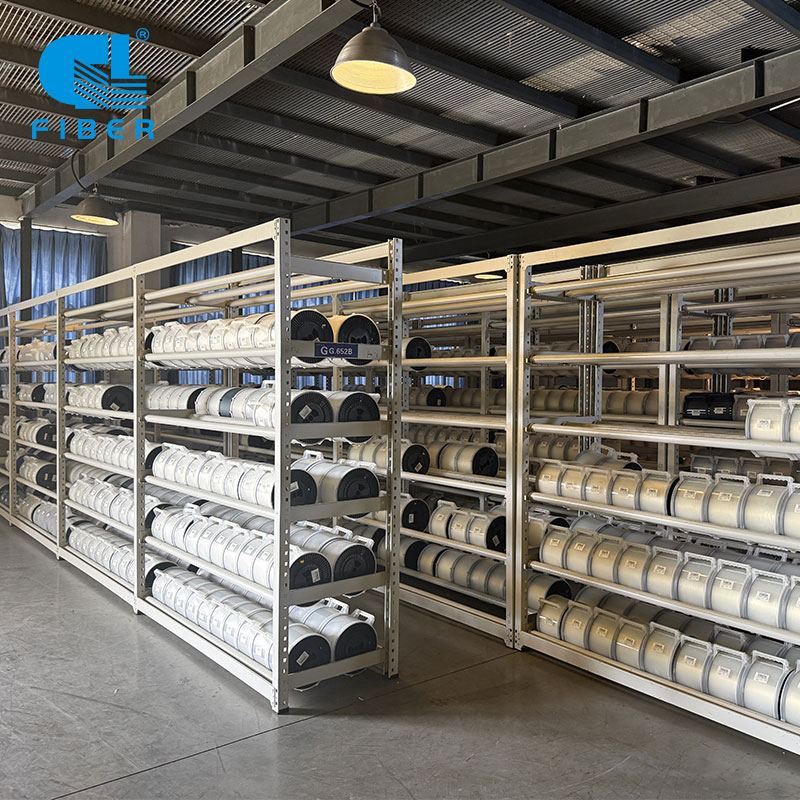
With 22 years of manufacturing experience, GL FIBER recommends working directly with integrated manufacturers that control their own preform and drawing capacity. Traders cannot guarantee authenticity in this market.
Procurement Recommendations for 2026
For G.657.B3 Buyers:
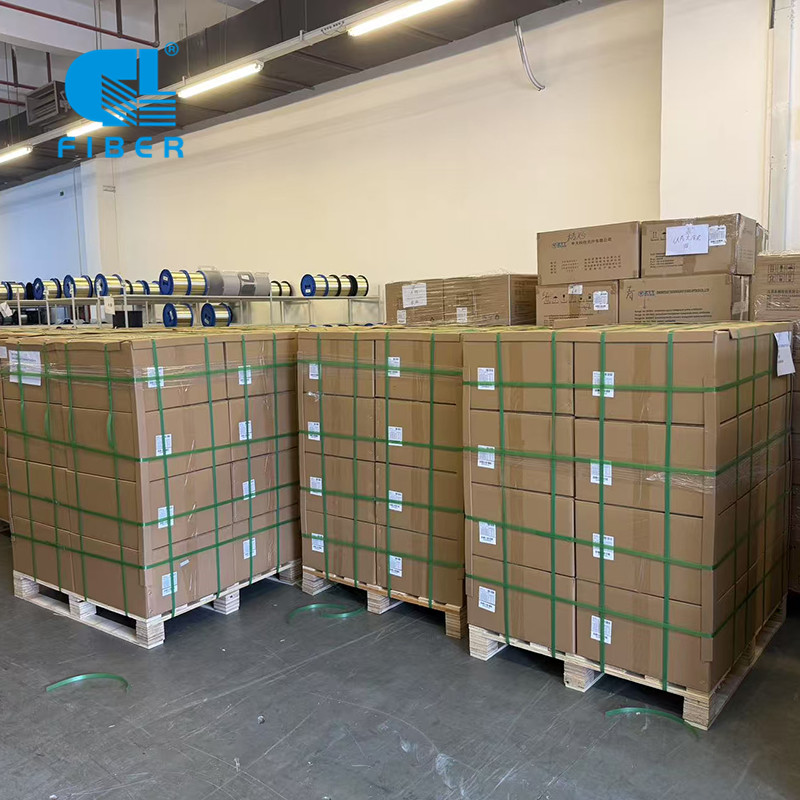
Secure allocation now – Premium fiber lines are running at full capacity
Lock in annual contracts – Spot buying is the most expensive strategy
Budget for $35–40/km range for the remainder of 2026
Plan for 20+ week lead times – Order now for Q3–Q4 projects
For General Fiber Buyers:
- Your Need Recommended Fiber Current Price Range
- Standard backbone/G.652.D replacement G.652.D $12–17/km
- FTTH with moderate bending G.657.A1 $16.50–19.50/km
- AI data centers, drone fiber G.657.A2 $30–33/km
- Ultra-tight spaces, 5mm bends G.657.B3 $36–38/km
Why GL FIBER?
With 22 years of optical fiber manufacturing, GL FIBER offers:
- Source factory direct – No middlemen, guaranteed authenticity
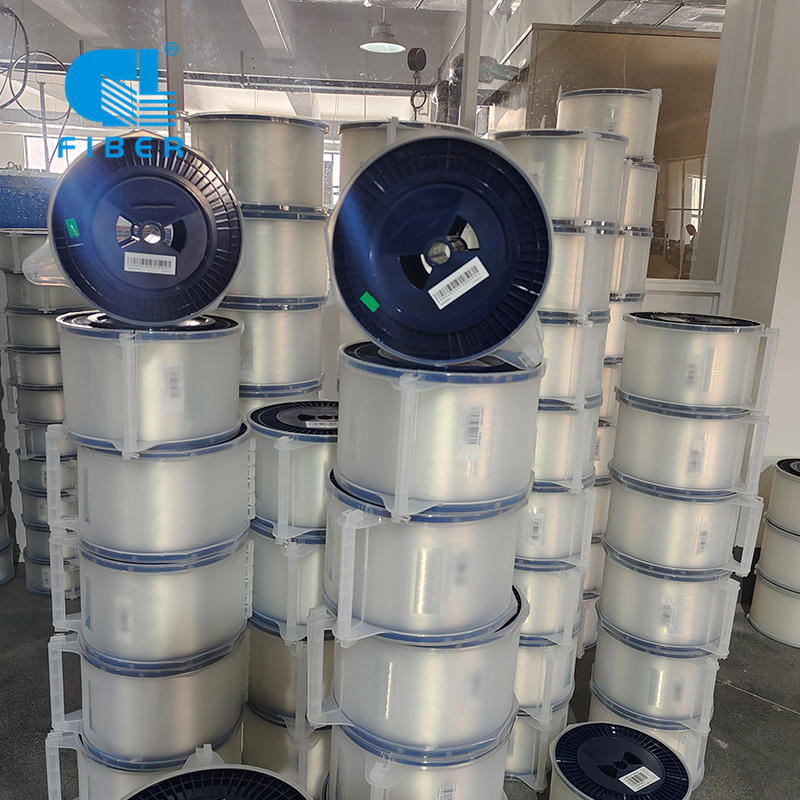
- Full traceability – From preform to finished spool
- ITU-T compliant – G.657.B3 with complete test documentation
- Global shipping – Serving customers worldwide
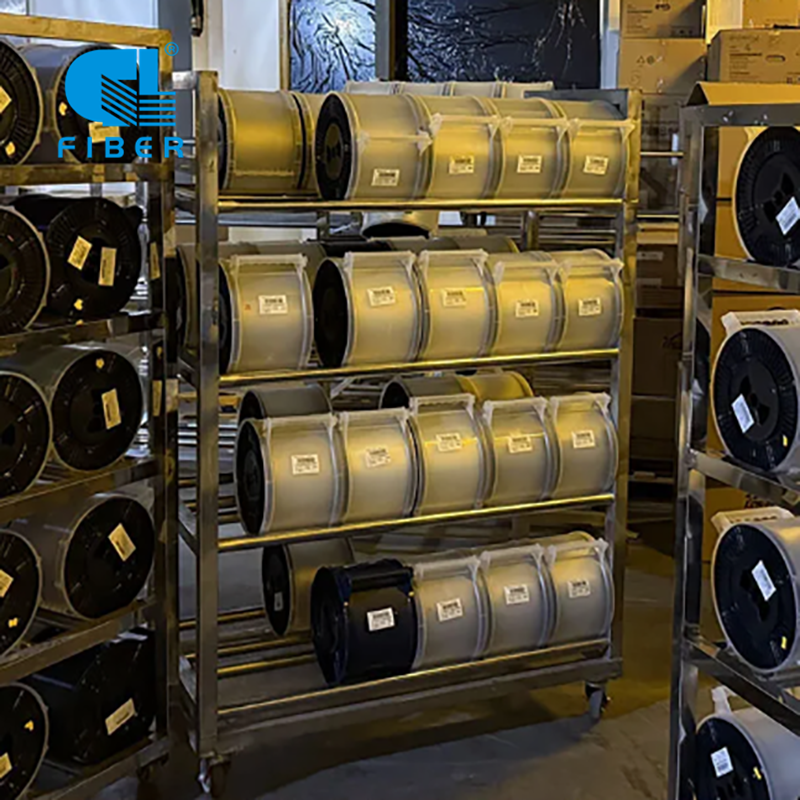
- Active B3 production – We are currently producing G.657.B3 for European and American markets
Need G.657.B3 Fiber?
Contact GL FIBER today for:
- Current g657b3 fiber price quotes
- Factory-direct pricing with full documentation
- Batch-specific test reports
- Lead time information
Don't settle for A2 when your project demands true 5mm bend performance. Choose GL FIBER – 22 years of quality you can trust.