

The global fiber optic market is experiencing a seismic shift. What was once a stable commodity market has transformed into a high-stakes arena characterized by FPV fiber shortages and soaring prices. At the center of this transformation is G657A2 optical fiber—the preferred choice for FPV drone fiber applications.
For procurement professionals sourcing optic bare fiber, bare optical fiber, or fpv drone bare fiber, understanding what makes G.657.A2 the industry standard—and how to verify you are getting genuine product—is now as critical as securing supply.
This article provides a comprehensive technical overview of optical fiber for drone applications, analyzes current market trends, and offers practical advice on sourcing quality optic fiber products.
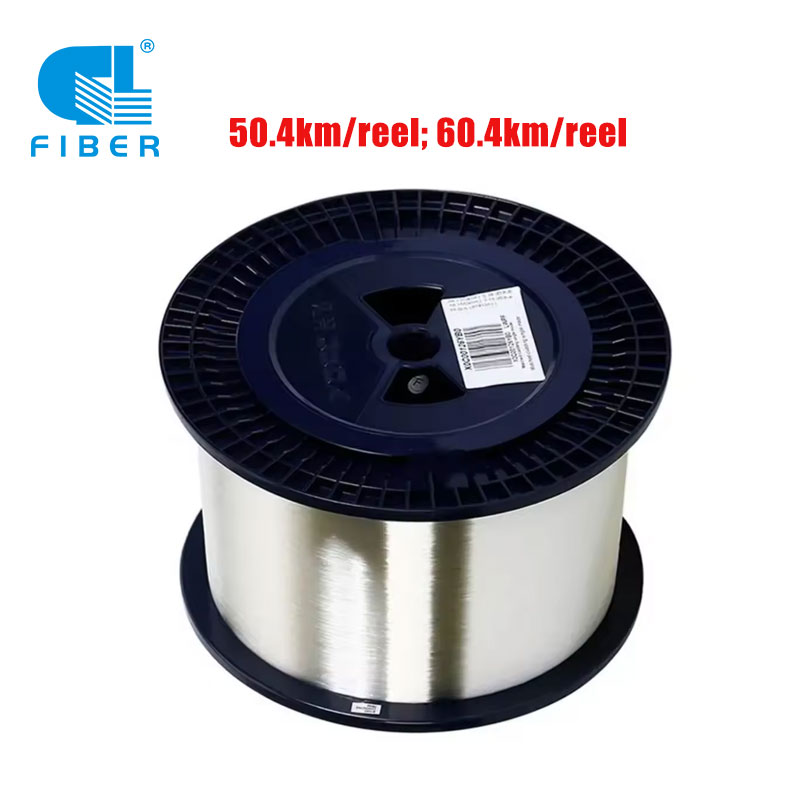
What Makes G657A2 Optical Fiber the Gold Standard for FPV Drones?
G.657.A2 optical fiber has emerged as the preferred optic bare fiber for FPV drone applications due to its unique combination of technical properties.
Key Technical Specifications
Parameter G.657.A2 Specification Why It Matters for Drones
Minimum Bend Radius 7.5 mm Enables compact spooling on small drone gimbals
Macrobending Loss (1550nm, 15mm radius) ≤ 0.03 dB ~88% lower loss than A1 in tight bends
Cladding Diameter 125.0 ± 0.7 μm Standard compatibility with splicing equipment
Coating Diameter 245 ± 7 μm (0.25mm) Ultra-thin design reduces weight and drag
Attenuation @ 1550nm ≤ 0.22 dB/km Maintains signal integrity over long distances
Compatibility Fully compatible with G.652.D Seamless integration with existing networks
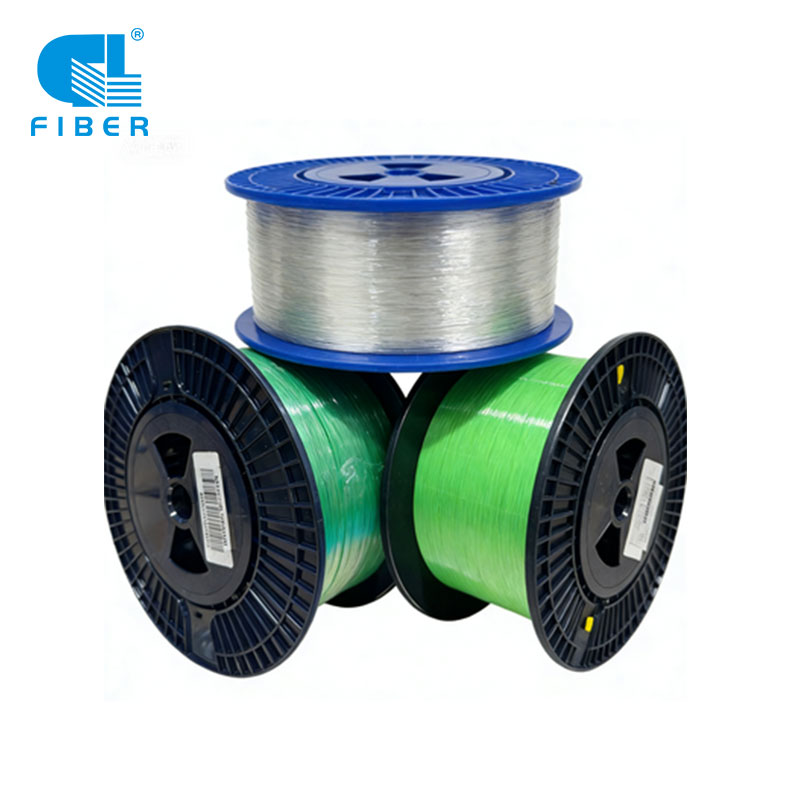
Why Drones Need Bend-Insensitive Fiber?
Unlike standard single mode fiber (G.652.D) which requires approximately 30 mm bend radius, G.657.A2 can withstand tight bends and constant vibrations without signal loss. This is critical for the compact spaces inside drone gimbals and flight controllers. The 0.25mm optical fiber diameter makes it lighter than a human hair, enabling seamless integration into micro drone systems.
Key benefits for FPV drones:
- Jam-proof communication – immune to electronic interference
- High-bandwidth video – real-time HD feedback
- Stealth operation – undetectable by RF scanners
- Zero-latency link – critical for real-time control
- "G.657.A2 is the primary specification for invisible fiber cable used in drone deployment"
Market Demand: Why Is FPV Fiber Exploding?
1. The FPV Drone Revolution
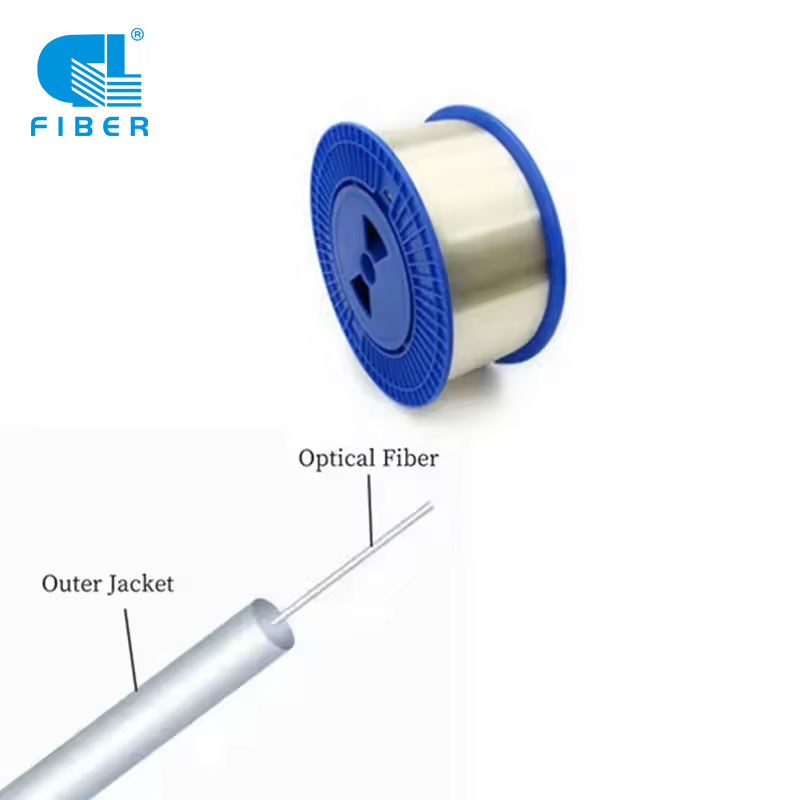
The most significant demand driver for fpv fiber optic drone technology comes from the defense sector. Each mission consumes 20–40 kilometers of specialized optical fiber for fpv drone—and because the fiber is not recovered, this represents pure consumable demand.
Key market data:
- Drone-related fiber demand currently sits at approximately 50 million core-km annually, projected to reach 80 million in 2026
- Combined Russian and Ukrainian drone fiber consumption reached 50–60 million kilometers in 2025
2. The AI Data Center Boom
Simultaneously, AI infrastructure is consuming optical fiber at an unprecedented rate:
A single GPU cluster requires 5–10 times more fiber than traditional data centers
Global data center fiber demand reached 69.6 million core-km in 2025, projected to exceed 100 million core-km in 2026
AI-driven fiber demand will grow from under 5% of the global market (2024) to 35% by 2027
Why G.657.A2 for both? Its superior bend resistance (7.5mm radius) allows winding onto tiny spools without signal loss—essential for both compact FPV drone spools and high-density AI data center cabling.
Current Pricing Trends (June 2026)
The g657a2 fiber price has surged dramatically:
Fiber Type Early 2025 Price Current Price (June 2026) Increase
G.652.D (Standard) ~$2.60/km $12–17/km +380–550%
G.657.A1 ~$3.30/km $16.50–19.50/km +400–490%
G.657.A2 (FPV Drones) ~$4.80/km $27–33/km +460–560%
G.657.B3 (Ultra-Bend) ~$7/km $36–53/km Premium niche
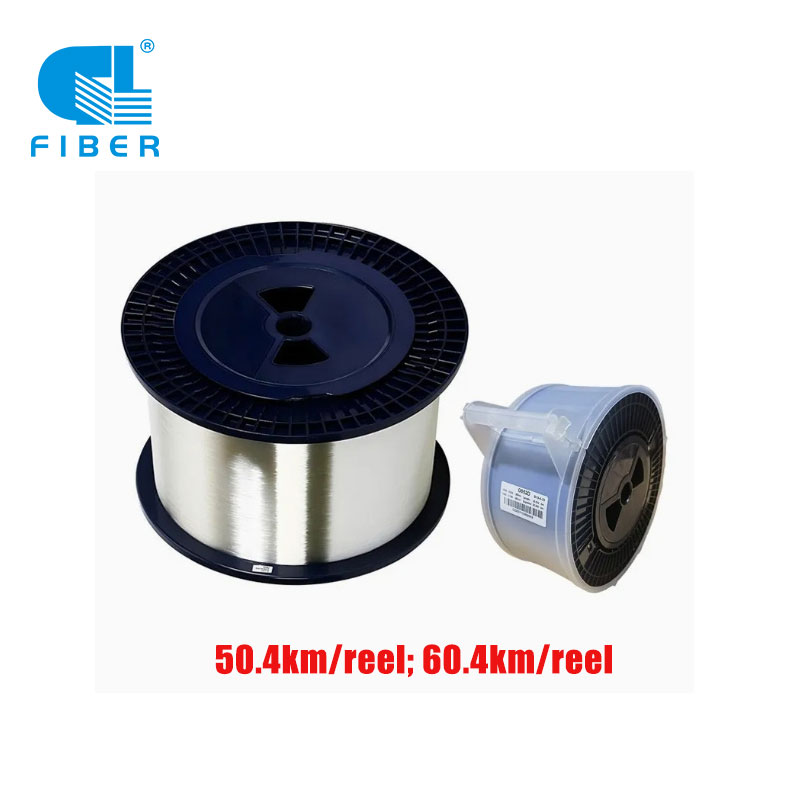
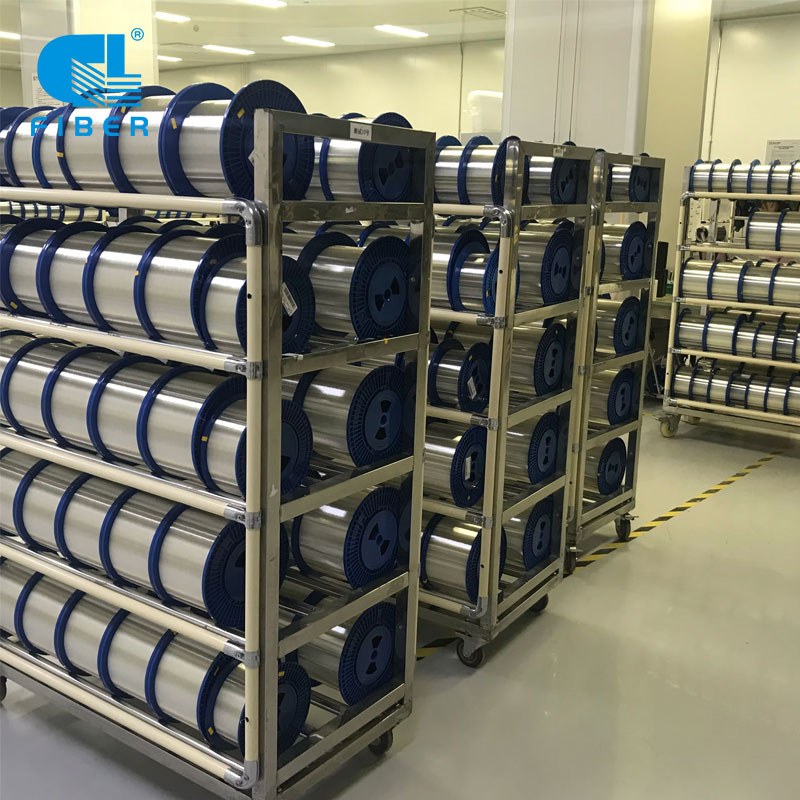
GL FIBER Pricing: Genuine G657A2 optical fiber at $26/km on 50.4km spools—factory-direct with full quality control.
Why Are Prices Still Rising?
- Preform Bottleneck: Fiber optic preforms account for ~70% of production costs. A single preform factory requires $550 million and 2 years to build. No new capacity will come online until late 2027.
- Supply-Demand Gap: Global G.657 series fiber demand in 2026 is 370 million core-km, but China's effective production capacity is only 200-210 million core-km—a gap of up to 46%.
- Helium Constraint: Preform sintering requires helium for heat transfer. Global helium shortages have further constrained production.
- Full Capacity: Major Chinese manufacturers (YOFC, Hengtong, FiberHome) have orders booked through Q1 2027.
How to Verify You're Getting Genuine G657A2 Optical Fiber?
The price surge has created a perfect environment for counterfeit products. Here is how to protect your supply chain.
The A1 vs. A2 Trap
G.657.A1 and G.657.A2 look nearly identical—but their performance differs significantly:
Parameter G.657.A1 (Substandard) G.657.A2 (Genuine)
Min Bend Radius 10 mm 7.5 mm
Macrobending Loss @ 15mm ≤ 0.25 dB ≤ 0.03 dB
Typical Use FTTH, general Drones, AI data centers
The Risk: If you buy G.657.A1 labeled as A2 for FPV drone applications, the fiber can fail during extreme bending in the field.
5 Ways to Verify Genuine G657A2 Bare Fiber
1. Demand Macrobending Loss Test Reports
Genuine G.657.A2 optic bare fiber must show:
- ≤0.03 dB loss at 1550nm with 15mm bend radius
- ≤0.5dB loss at 7.5mm radius (1550nm/1625nm)
Do not accept "typical values"—demand batch-specific data
2. Verify ITU-T Compliance
Legitimate bare optical fiber comes with ITU-T G.657.A2 compliance certificates. Certificates must match your shipment's batch number.
3. Check Coating Diameter
- Genuine 0.25mm optical fiber: 245 ± 7 μm coating diameter
- Inconsistent diameter indicates substandard manufacturing
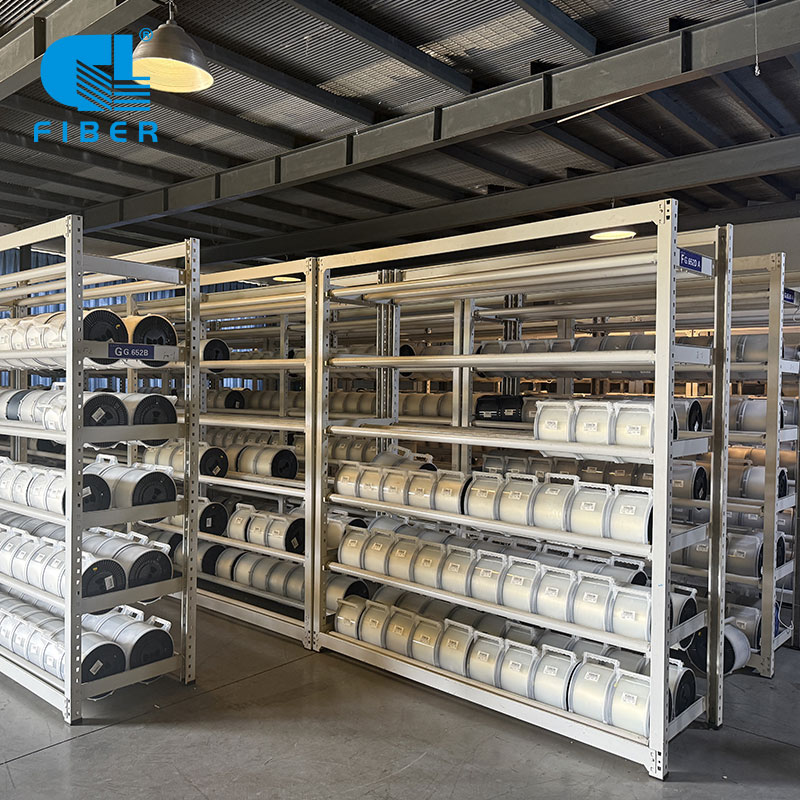
4. Inspect Physical Spools
What to check on your fpv fiber optic spool:
- Clear labels with specifications and batch numbers
- Consistent, even winding without tangles
- Professional packaging with proper protection
5. Question Unrealistic Pricing
When legitimate suppliers quote $27–33/km** for G.657.A2, offers at **$15–18/km are almost certainly:
- G.657.A1 fiber labeled as A2
- Completely substandard single mode fiber
Red Flags to Watch For
Red Flag What It Likely Means
- "No documentation available" Likely counterfeit or non-compliant
- "We don't do factory visits" Hiding something—real manufacturers welcome transparency
- "100% upfront payment required" High scam risk
- "Limited time offer - buy now" Classic pressure tactic to prevent due diligence
Why GL FIBER for Your Optical Fiber Needs?
GL FIBER has been manufacturing fiber optic cables since 2004. As a source factory, we offer:
- 22+ years of manufacturing experience – Founded in 2004
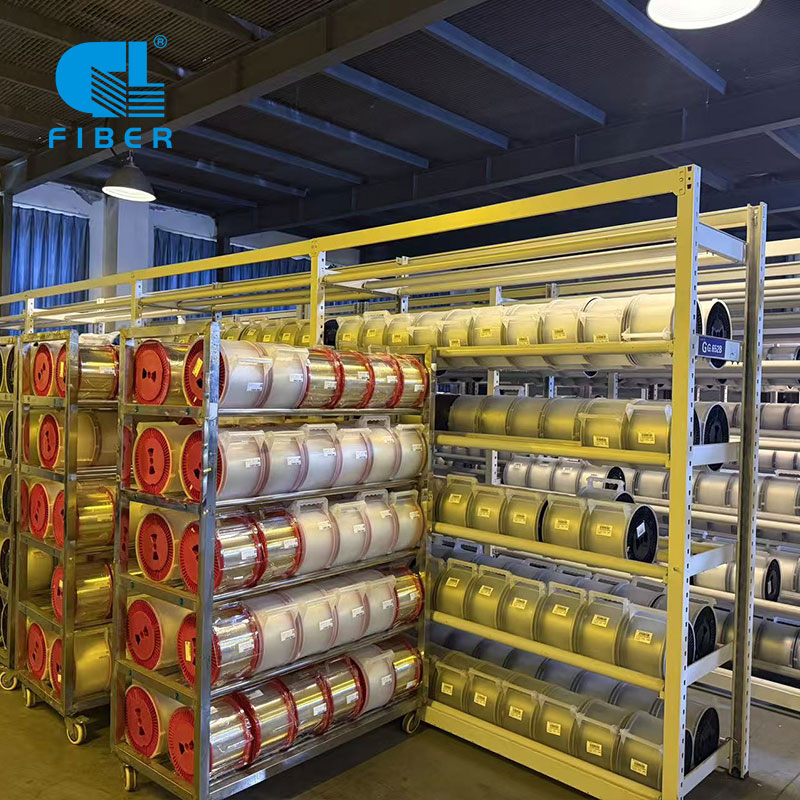
- Source factory with full quality control – We control our own production
- 550+ employees, 70% in technical and R&D roles
- ISO9001, ISO14001, OHSMS18001 certified
- Complete transparency – Factory visits and video calls are always welcome
- Global reach – Serving 200+ countries and regions
Current G.657.A2 Pricing: $26/km on 50.4km spools – Genuine, tested, and ready to ship