

If you are sourcing FPV drone bare fiber or G657A2 FPV drone optic for defense technology or industrial applications, you have likely noticed a dramatic shift in market conditions. As of May 2026, the global bare optical fiber market is experiencing unprecedented tightness, driven by converging demand from two powerful sectors: AI data centers and drone technology.
For procurement professionals searching for optic bare fiber, spool bare fiber, or optical fiber for mission-critical applications, understanding current price trends across G657A2, G657A1, G652D, and G657B3—as well as the unique dynamics of the Ukraine market—is essential for strategic decision-making.
This article provides a data-driven market analysis and actionable procurement advice.
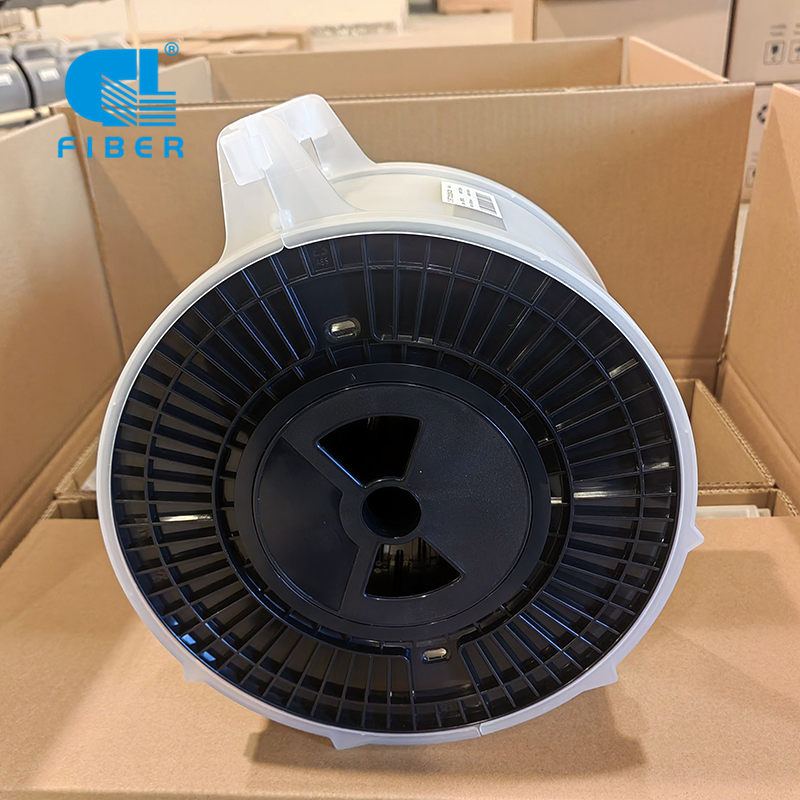
Current Price Trends: G657A2, G657A1, G652D & G657B3
Based on market data from April–May 2026, here is where prices currently stand across the four key fiber types:
Fiber Type Key Application Market Status
G.652.D Standard Telecom, Long-haul Supply tight, elevated pricing
G.657.A1 FTTH, General Bend-insensitive Limited availability
G.657.A2 FPV Drones, AI Data Centers Severe shortage, premium pricing
G.657.B3 Ultra-tight Bending (Premium) Very limited production
Key market observations:
G.657.A2 fiber continues to command the highest premium due to its dual-use appeal for both drone and AI applications.
G.652.D fiber has seen significant price appreciation as manufacturers shift production lines toward higher-margin G.657.A2, creating a supply vacuum in the standard grade.
G.657.B3 fiber—the premium ultra-bend-insensitive fiber—trades at an even higher premium over G.657.A2 but remains a niche product with limited production capacity.
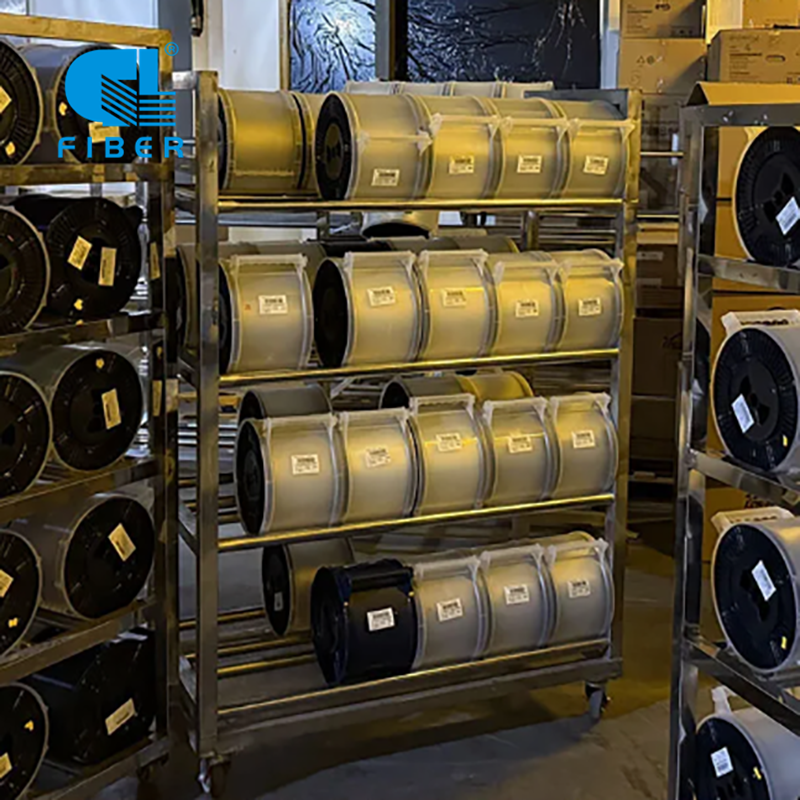
Market Demand: Why Is FPV Drone Bare Fiber in Such High Demand?
1. The FPV Drone Revolution
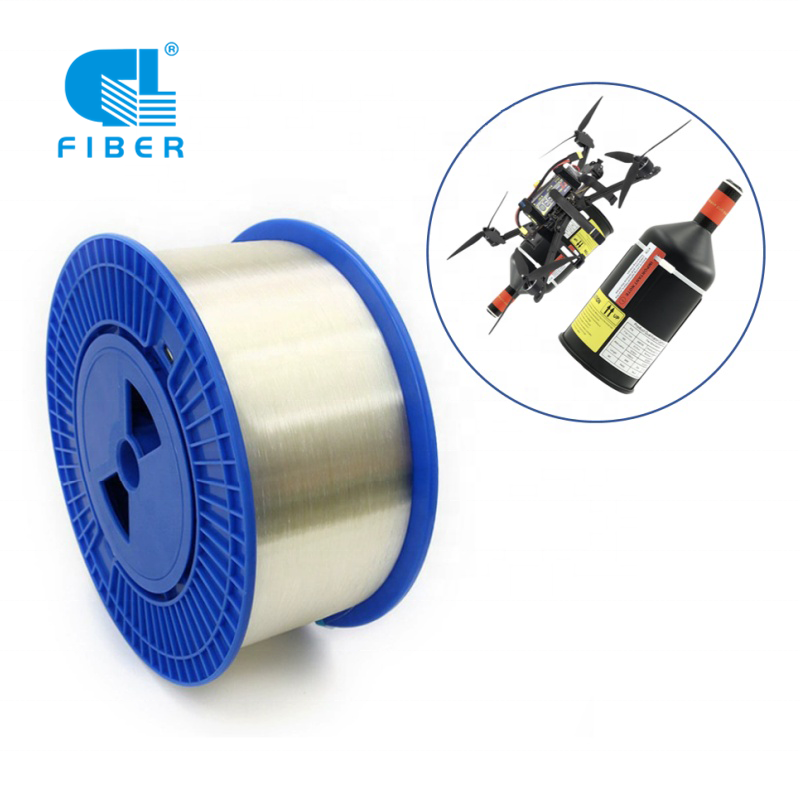
The most significant demand driver for FPV drone bare fiber and G657A2 FPV drone optic comes from the rapid global expansion of fiber-optic guided drone technology. Fiber-optic guided drones offer immunity to electronic countermeasures—a critical advantage in modern defense environments.
Key market data:
- Each FPV drone mission consumes 20–40 kilometers of specialized bare optical fiber.
- The fiber is not recovered after deployment, transforming it from infrastructure into a consumable product.
- Global demand for drone-grade optical fiber has grown exponentially over the past 18 months.
Impact on the Ukraine market:
- Ukraine has become a significant demand center for optical fiber, bare fiber, and spool bare fiber products. According to industry reports:
- Ukraine's drone manufacturing sector has expanded rapidly, with fiber-optic drone models receiving increased procurement focus.
- The Ukrainian government has enacted tax incentives for domestic drone manufacturers, including import duty and VAT exemptions on optical fiber components.
- Imports of cable products to Ukraine increased 13.8% year-over-year to $46.3 million in January 2026, with China as the largest supplier.
However, Ukrainian drone manufacturers face significant supply chain challenges. According to industry representatives, local producers remain heavily dependent on imported fiber optic cables, creating security-of-supply concerns. The government is actively working to address these vulnerabilities through domestic production initiatives.
2. The AI Data Center Demand
Simultaneously, AI infrastructure is consuming fiber at an unprecedented rate:
- A single GPU cluster requires up to 10 times more fiber than traditional data centers.
- AI-driven fiber demand is projected to grow from under 5% of the global market (2024) to 35% by 2027.
- Major cloud providers have committed over $600 billion in 2026 capital expenditures, mostly for AI infrastructure.
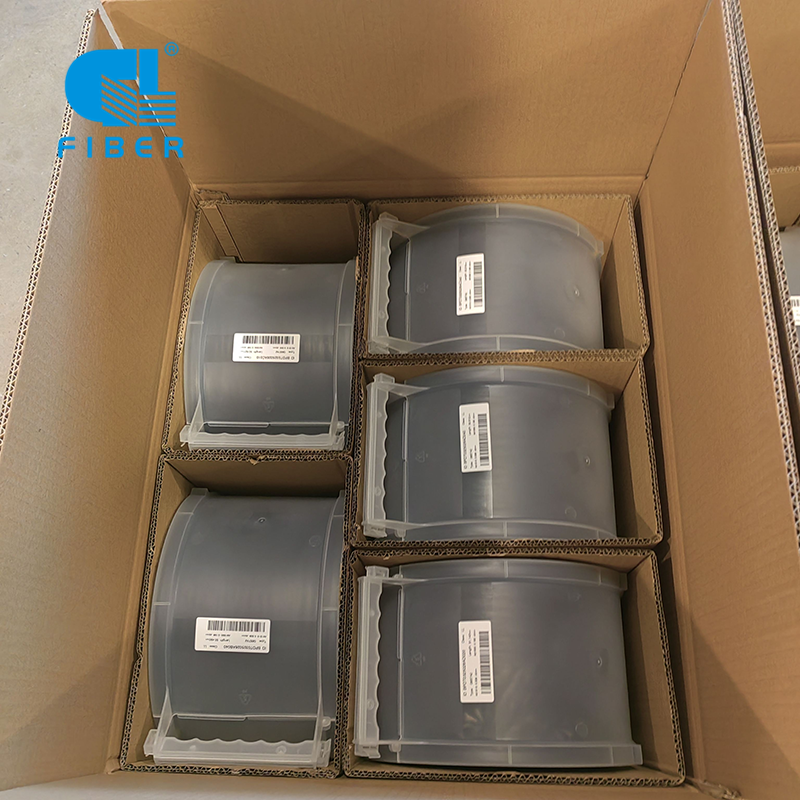
Why G.657.A2 is the preferred fiber for both applications?
For drones: Its superior bend resistance allows it to be wound onto tiny spools (often 0.25mm diameter) without signal loss during rapid deployment.
For AI data centers: Essential for high-density cabling in tight server racks where standard fiber would suffer bending losses.
Why Are Prices Continuing to Rise?
The Preform Bottleneck
- The root cause of the optic bare fiber shortage lies upstream: optical fiber preforms.
- Preforms account for approximately 70% of production costs.
- Expanding preform capacity requires 18–24 months due to complex chemical deposition processes and regulatory approvals.
- Every major global preform manufacturer is currently running at 100% capacity.
The G657A2 Production Penalty
- Producing G.657.A2 fiber is slower than producing standard G.652.D:
- Requires 10–15% more production time per kilometer.
- As manufacturers shift lines to meet urgent A2 demand, overall industry output becomes constrained.
The 2026 Supply-Demand Gap
According to institutional analyses (CSC, Guotai Junan Securities, Everbright Securities, Guosheng Securities):
- The 2026 supply-demand gap is estimated at approximately 6% of global demand.
- The gap is projected to widen further through 2027.
- Industry analysts describe the current situation as a "capacity squeeze that cannot be resolved quickly."
Price Forecast: When Will Prices Drop?
According to multiple institutional analyses:
Timeframe Forecast
Q2–Q3 2026 Prices remain elevated; supply remains tight
Q4 2026 Continued pressure on availability
2027 New preform capacity may begin entering the market by late 2027—but this is uncertain
2028+ Market conditions depend on capacity expansion timelines
*"2026 to 2028 will be a high-demand window for the fiber optic industry. Supply-side rigidity will persist until new preform capacity comes online."*
"When is the best time to purchase G657A2 Fiber?"
Given current market conditions and the projected timeline for new capacity, procurement experts recommend securing supply commitments as early as possible. Waiting for market conditions to ease carries the risk of further allocation constraints.
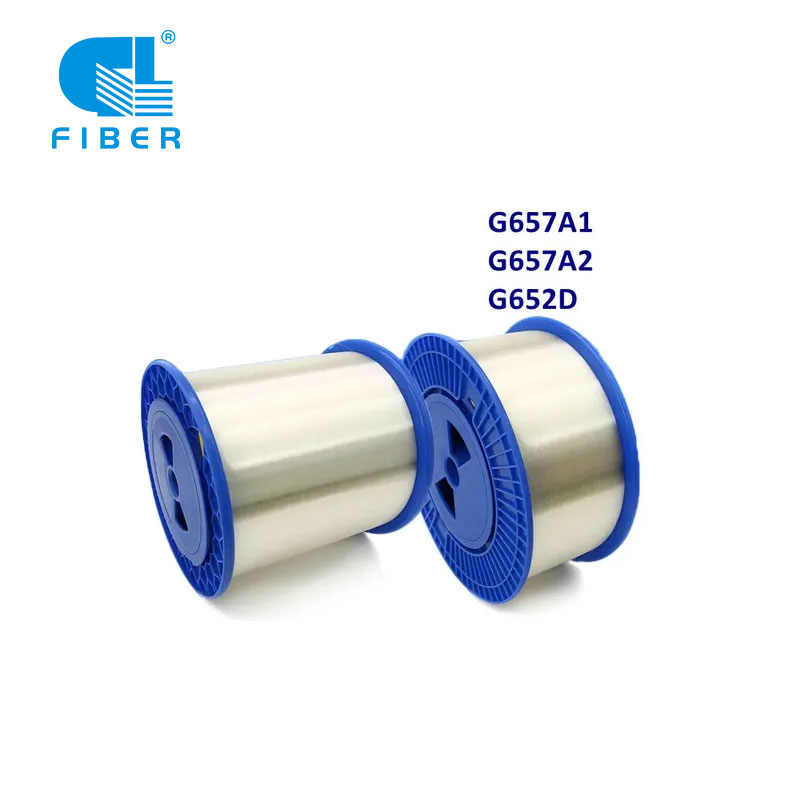
Procurement Advice: How to Buy G657A2 Fiber in 2026?
What to Check When Purchasing G657A2 Fiber
When sourcing bare optical fiber for drone applications, pay attention to:
1. Bending Performance (Macrobend Loss)
G.657.A2 should have bending loss ≤0.5dB at 7.5mm radius (1550nm/1625nm)
Insist on viewing the test report before shipment
2. Coating Diameter Precision
Standard coating diameter: 245±15μm
The "0.25mm fiber" specification requires tight tolerance control
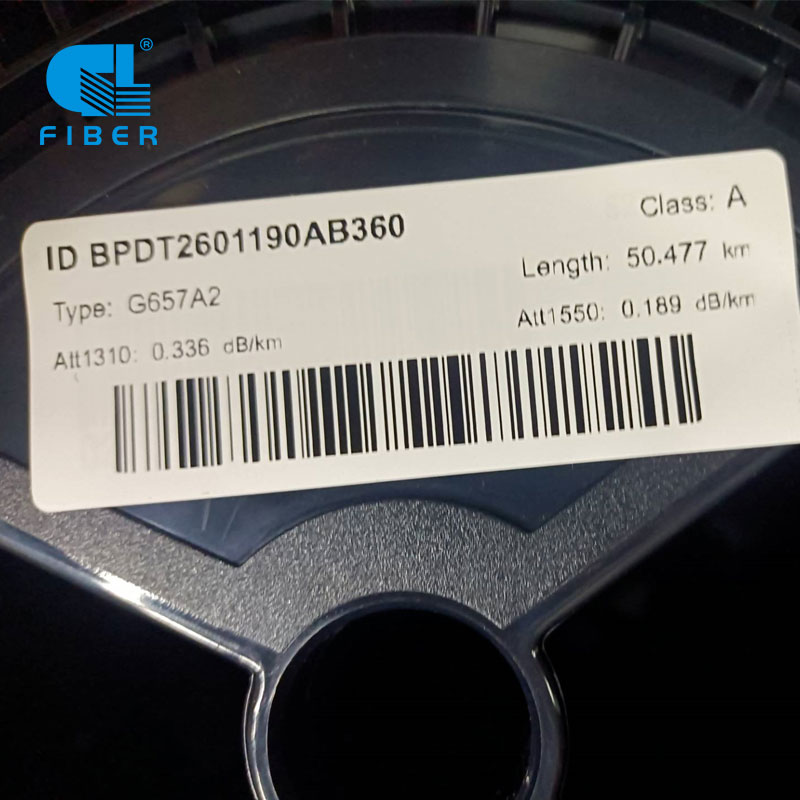
3. Attenuation Coefficient
1310nm: ≤0.36dB/km
1550nm: ≤0.22dB/km
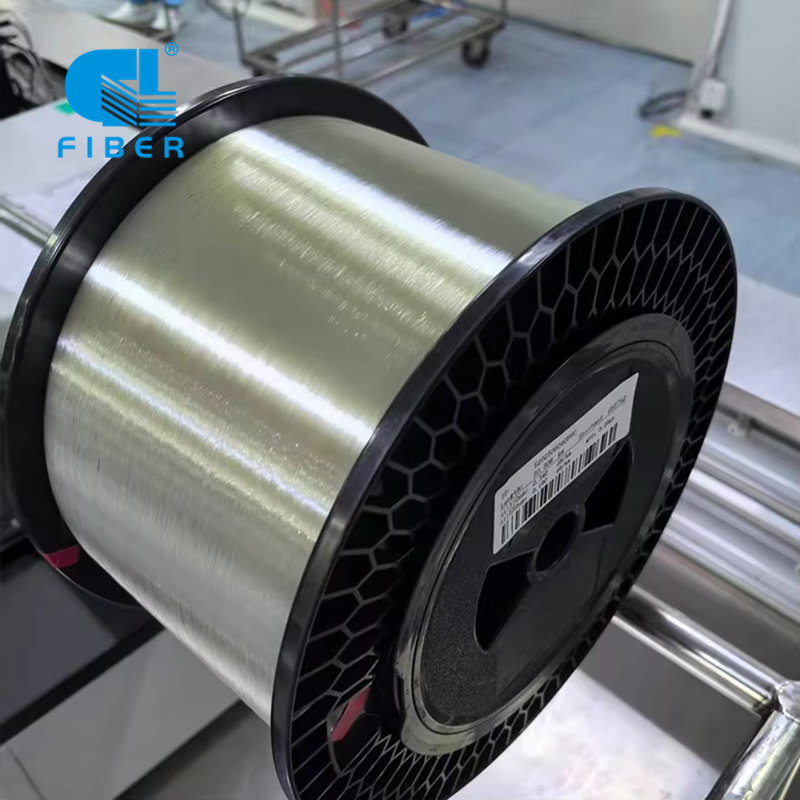
4. Spool Quality (Spool Bare Fiber)
Confirm spool material (plastic/metal) and dimensions
Verify winding tension is appropriate to prevent fiber damage during deployment
5. Traceability & Factory Verification
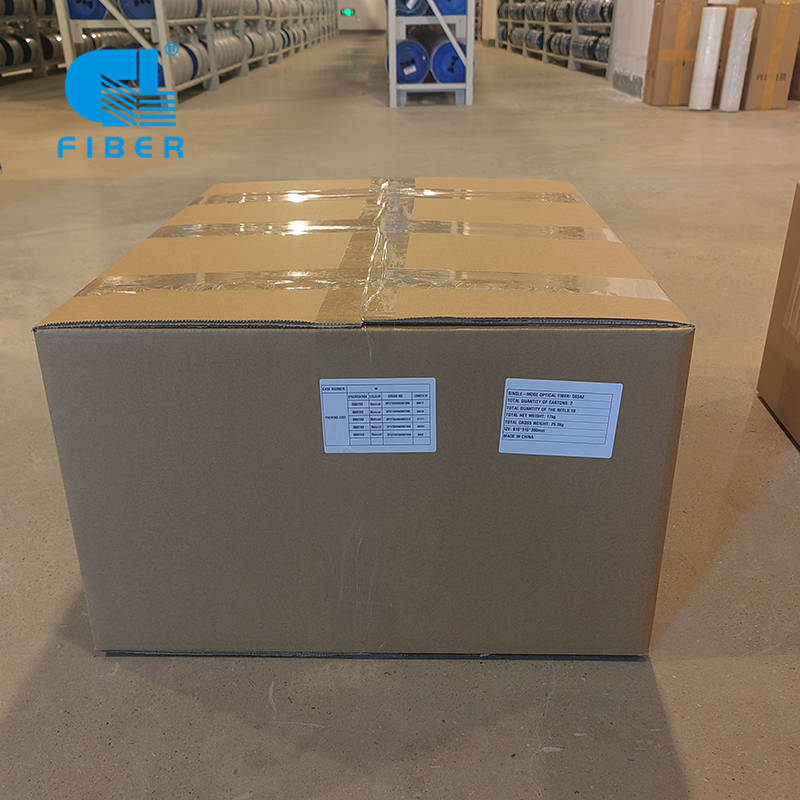
Ensure your supplier provides batch numbers and full traceability
Red flag: Suppliers unable to provide factory visits or video calls
Strategic Procurement Recommendations
1. Lock in Long-Term Capacity
The era of just-in-time purchasing is challenging in the current market. With production slots booked months in advance, securing long-term commitments is advisable.
2. Partner with Source Factories, Not Traders
In a supply-constrained market, traders cannot guarantee allocation. Working with a true source factory that controls its own preform and drawing capacity provides:
Supply visibility – Direct insight into production slots
Allocation priority – Factories prioritize direct clients
Quality assurance – Direct factory oversight of manufacturing standards
3. Plan for Extended Lead Times
Current lead times have extended from the traditional 8–12 weeks to 20+ weeks. Orders for Q3–Q4 2026 projects should be placed well in advance.
4. Watch for Warning Signs
When the market is tight, unrealistic offers should raise red flags:
Pricing significantly below prevailing market rates
"Today-only" pressure tactics with no verifiable inventory
Inability to provide factory visits or video calls
Requests for 100% upfront payment without established relationship
5. Consider Specification Flexibility
If your project can accommodate minor variations (coating color, packaging, exact length), you may be able to secure stock faster from available inventory.
Special Focus: The Ukraine Market
For buyers focused on the Ukraine market or sourcing spool bare fiber for drone applications, the situation requires immediate attention.
Market Dynamics
Driver Impact
Government procurement Ukraine has significantly increased FPV drone procurement, with fiber-optic models prioritized
Tax incentives Import duty and VAT exemptions for drone manufacturers supplying defense forces
Import dependency Ukraine remains heavily dependent on imports, primarily from China
Supply security concerns Manufacturers seeking to diversify supply sources
Procurement Recommendation for Ukraine Buyers
- Secure allocation early – Government demand will continue to prioritize defense supply chains.
- Work with verified suppliers – Ensure your partner can provide necessary documentation for customs benefits.
- Maintain safety stock – Given supply chain uncertainties, maintaining adequate inventory levels is recommended.
Conclusion
The global market for G657A2 FPV drone optic, bare fiber, and spool bare fiber has entered a period of sustained tightness. The convergence of AI infrastructure build-outs and the rapid expansion of drone technology—dramatically highlighted by demand from Ukraine—has created a genuine supply-demand imbalance.
With new preform capacity not expected until late 2027 at the earliest, procurement professionals should take proactive steps to secure their supply chains. Whether you need optical fiber for telecom, optic bare fiber for R&D, or FPV drone bare fiber for defense technology projects, strategic procurement planning is essential.