

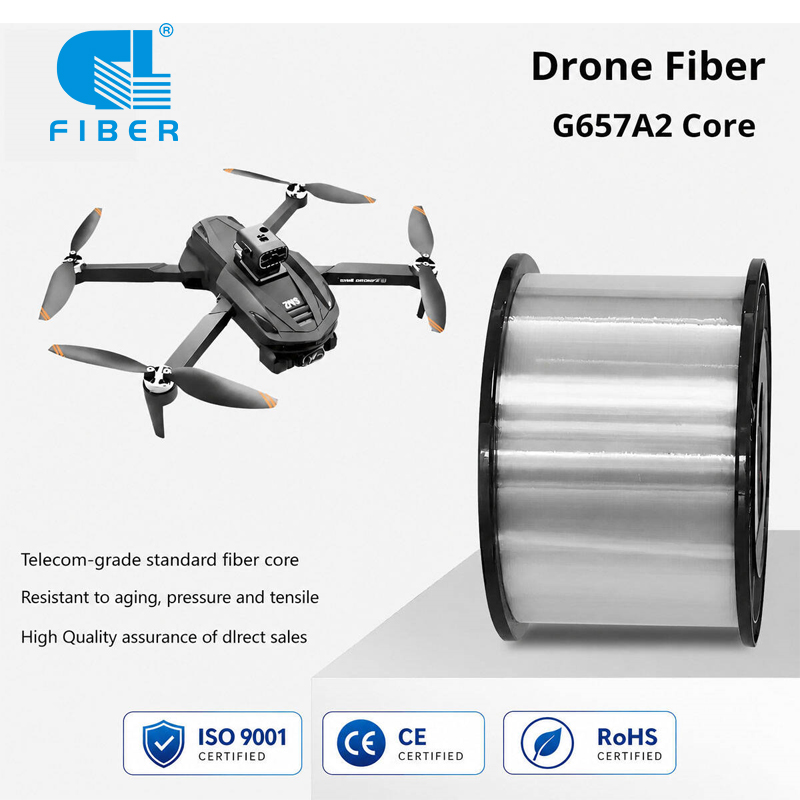
If you are sourcing G657A2 bare fiber, G657A2 drone fiber, or 0.25mm G657A2 fiber for FPV drone applications, you have likely noticed a troubling trend: after a brief period of stability, prices are climbing again—and fiber optic spool products, especially 50.4km reels, are becoming increasingly difficult to secure.
This is not a temporary fluctuation. It is the result of a structural supply-demand imbalance that has been building throughout 2026. This article analyzes the root causes, provides current market intelligence, and offers practical guidance from GL FIBER on how to purchase G657A2 fiber correctly.
The Current Market Reality: Supply Is Tightening Again
The Chinese fiber optic market has entered a new phase of supply shortage. According to industry data:
- G.657.A2 fiber prices have surged from 32 RMB per core-km in early 2025 to 240 RMB as of mid-2026—a 650% increase
- China’s fiber export volume grew 200% year-over-year in the first four months of 2026, with export prices rising 204%
- The global supply-demand gap is estimated at 180 million core-km for 2026, widening to 15% by 2027
Why Are Prices Rising Again? The Root Causes?
1. AI Data Centers Are Consuming Fiber at Unprecedented Rates
The primary demand driver is the global AI infrastructure build-out. According to CRU data:
- 2025 global data center fiber demand: 69.6 million core-km (+75.9% YoY)
- 2026 projected demand: Over 100 million core-km
- AI-driven fiber demand share: Expected to grow from under 5% (2024) to 35% by 2027
2. Drone Demand Is Absorbing Significant Capacity
The FPV drone revolution has created a new, massive demand source for G657A2 drone fiber:
- Russia’s 2026 drone production: Estimated at 4 to 5 million units
- Each drone mission: Consumes 10 to 40 kilometers of specialized fiber
- Combined Russian and Ukrainian consumption reached 50-60 million kilometers in 2025
3. The Preform Bottleneck: A Structural Constraint
- The root cause of the supply shortage lies upstream: optical fiber preforms.
- Preforms account for approximately 70% of fiber production costs
- Expanding preform capacity requires 18 to 24 months
- Current preform capacity utilization in China: 84.3% — near full load
- According to industry analysts, even under extreme conditions, capacity can be expanded by only 10-15% through process optimization alone.
4. Production Shift to Higher-Margin Products
Manufacturers are prioritizing G.657.A2 fiber over standard G.652.D due to higher margins. This production shift has:
- Reduced effective output of G.657.A2 despite high demand
- Created a supply vacuum for standard grades
- Extended lead times for all fiber types
- Major manufacturers like YOFC have stated they are 100% sold out, with orders booked through Q1 2027
Major Chinese Manufacturers: Capacity & Pricing
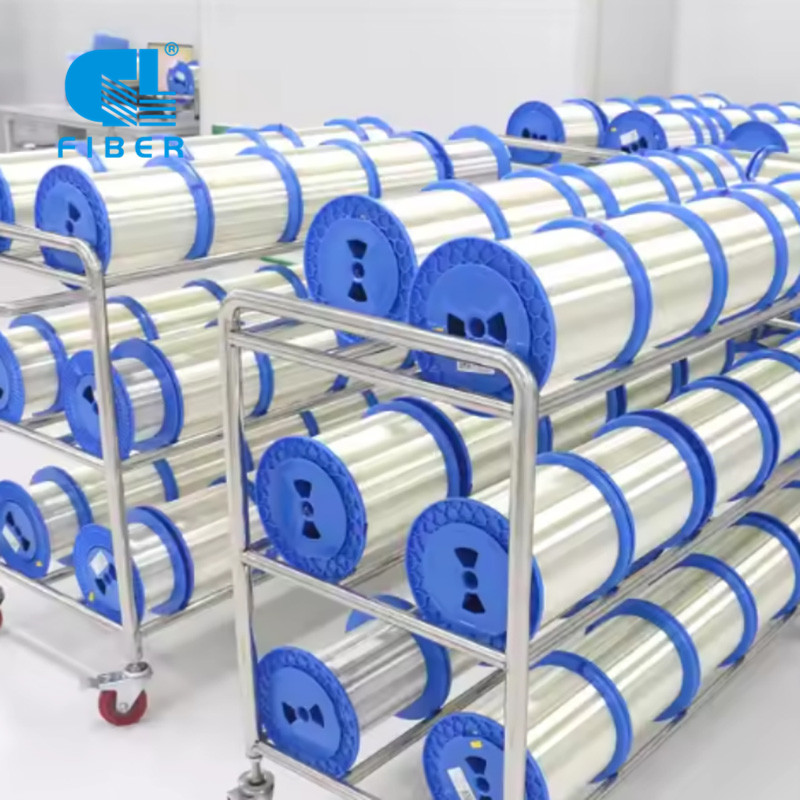
- Manufacturer G.657.A2 Annual Capacity Preform Self-Sufficiency Current Status
- YOFC (长飞) ~20 million core-km 100% Fully booked through Q1 2027
- Hengtong (亨通) ~20.75 million core-km 95%+ Running at full capacity
- ZTT (中天) ~15 million core-km 80-100% High utilization
- FiberHome (烽火) ~10 million core-km 80-100% All lines at full capacity
Current Export Pricing (September 2026)
Fiber Type Export Price Range (USD/km) Key Notes
G.657.A2 (0.25mm) $28–35/km Premium due to tight supply
G.657.A1 $17–20/km More available
G.652.D $12–17/km Supply squeezed
Note: China Mobile’s September 2026 fiber optic cable procurement saw all 17 bidders quote at the maximum ceiling price, with average cable prices reaching 102.56 RMB/core-km—a 90.46% increase from the previous round. This confirms that the industry has entered a high-prosperity cycle.
Procurement Advice: How to Buy G657A2 Fiber Correctly
1. Understand the A1 vs. A2 Difference
G.657.A1 and G.657.A2 look nearly identical, but their performance differs significantly:
Parameter G.657.A1 G.657.A2 (Genuine)
Min. Bend Radius 10 mm 7.5 mm
Macrobending Loss (1550nm, 15mm radius) ≤ 0.25 dB ≤ 0.03 dB
Suitability for FPV Drones Fails in dynamic deployment Engineered for drones
The risk: Buying A1 labeled as A2 means the fiber exceeds its bend limit during spooling or deployment. Signal attenuation spikes—and the drone loses connection mid-flight.
2. Verify What You Are Buying
- Demand batch-specific macrobending loss test reports – Do not accept “typical values”
- Verify coating diameter – 0.25mm (245±10 μm) is standard for drone applications
- Check ITU-T compliance – Genuine G.657.A2 comes with ITU-T G.657.A2 certification matching your shipment’s batch number
3. Watch for Warning Signs
- Pricing significantly below $28/km – Likely A1 or substandard fiber
- “No documentation available” – Legitimate manufacturers provide full traceability
- 100% upfront payment to unknown suppliers – High fraud risk
- Inability to arrange factory visits or video calls – Real manufacturers welcome transparency
4. Secure Your Supply Chain Now
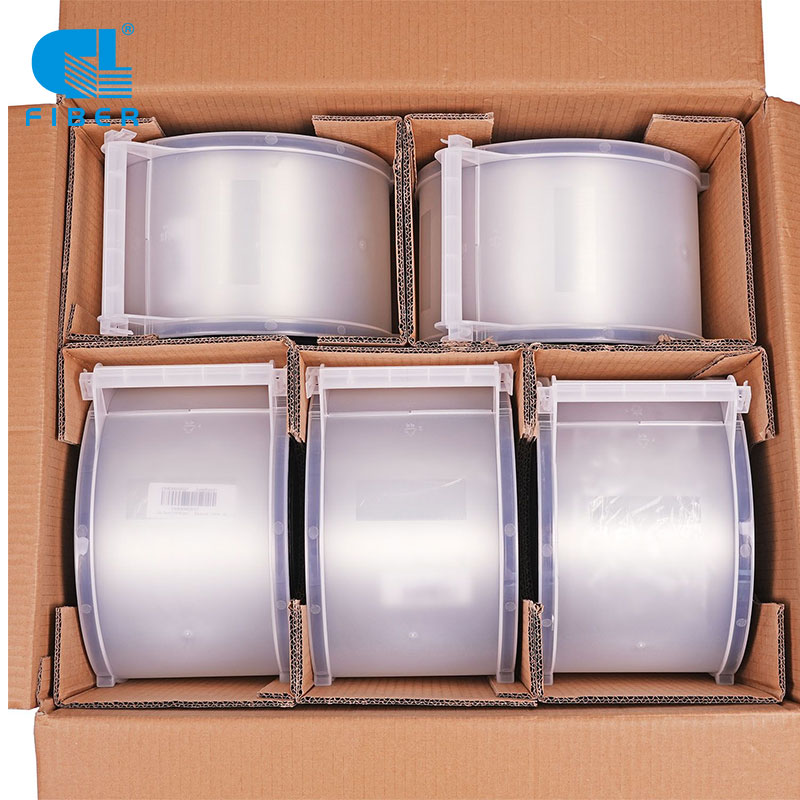
With orders booked through Q1 2027 at major manufacturers, the time to secure your fiber optic spool needs is now:
Lock in long-term capacity – Long-term contracts are the only reliable way to secure supply
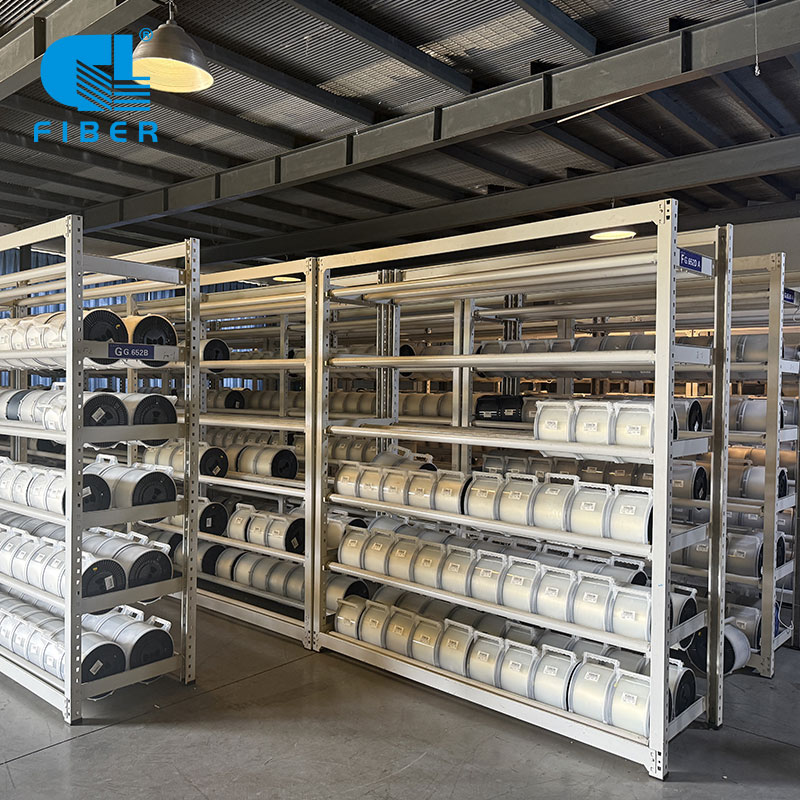
Partner with source factories – GL FIBER controls its own preform and drawing capacity
Plan for extended lead times – Current lead times have extended from 8-12 weeks to 20+ weeks
Why GL FIBER?
- With 22+ years of experience, GL FIBER is a trusted source factory for G657A2 bare fiber:
- ISO9001, ISO14001, OHSMS18001 certified
- Full process control – from preform to finished spool
- Batch-specific test reports for every shipment
- Complete transparency – factory visits and video calls always welcome
- Serving 200+ countries and regions
Contact GL FIBER Today
Don’t risk your FPV drone mission on substandard fiber. Partner with a trusted manufacturer who stands behind every G657A2 drone fiber spool we ship.