

In the rapidly advancing world of global telecommunications and data networks, the choice of optical fiber technology is fundamental to building a high-performance, future-proof infrastructure. From the foundational G.652D fiber to emerging specialized types like plastic optical fiber and transparent optical fiber, each variant serves a distinct and critical role in our interconnected digital ecosystem. Selecting the correct bare optical fiber is the first and most crucial step in designing a network that balances high bandwidth, minimal signal loss, and long-term reliability. This article explores the diverse landscape of modern fiber optics, analyzing their applications, advantages, and the market trends shaping their future. As a company with over two decades of manufacturing excellence, GL FIBER is uniquely positioned to guide this exploration. Our deep industry expertise and production of over 20,000 kilometers of fiber daily ensure we deliver not just products, but the capacity, quality, and custom solutions necessary for the next generation of global connectivity.
Understanding Fiber Optic Types: Core Technologies and Applications
The world of fiber optical communication is built on a diverse range of technologies, each optimized for specific performance criteria and environmental conditions.
1. Single Mode Fiber (G.652D): The Backbone Standard
The G.652D fiber is the current international standard for long-haul and metropolitan networks. It is engineered to minimize signal attenuation across a wide spectrum (1260-1625 nm), including the suppression of the water peak around 1383 nm. This low-loss single-mode fibre offers the high bandwidth, low dispersion, and excellent bend resistance required for modern high-speed technologies like DWDM and 5G backhaul. It forms the reliable, high-capacity invisible fiber network that powers our internet backbone.
2. Bare Optical Fiber: The Essential Foundation
Bare optical fiber, the uncoated strand of glass consisting of a core and cladding, is the fundamental component from which all optical cables are built. Its precise geometrical and optical characteristics—such as core-cladding concentricity and attenuation—directly determine the final cable's performance. At GL FIBER, we produce bare fiber with exceptional accuracy, ensuring low splicing loss and high reliability for our cable manufacturing partners worldwide.
3. Plastic Optical Fiber (POF): The Flexible Alternative
Plastic optical fiber, typically made of PMMA (acrylic), offers a cost-effective and highly flexible solution for short-distance data transmission. While it has higher attenuation than glass fiber, POF is robust, easy to terminate without specialized tools, and ideal for applications like automotive infotainment systems, industrial sensor networks, and home networks where bandwidth demands are moderate but durability is key.
4. Transparent Optical Fiber: Beyond Data Transmission
Transparent optical fiber technology expands the application of fiber optics beyond pure data. By leveraging materials with exceptional light-guiding properties and minimal scatter, this type of fiber is designed for illumination, sensing, and medical devices. Its ability to transmit light with high clarity makes it invaluable in fields such as decorative lighting, surgical instrumentation, and precise industrial inspections, opening a different dimension in fiber optical applications.
Analyzing Industry Trends and Technological Advantages
The optical fiber market is being driven by several key, data-backed trends that demand continual innovation from manufacturers.
Explosive Demand for Bandwidth and Low Latency: The proliferation of cloud computing, IoT, and HD video streaming is creating unprecedented data traffic. Industry forecasts project the global fiber optic market to maintain a CAGR of over 8% through this decade, with single mode fiber accounting for the largest revenue share due to its dominance in long-distance and FTTx (Fiber to the x) deployments. Low-loss fibers like our G.652.D+ are critical to meeting this demand efficiently.
Advancement Towards Densification and Customization: Network densification, particularly for 5G and smart cities, requires fiber solutions that can fit into tight, complex urban spaces. This drives the need for fibers with superior bend-insensitive properties and customized cable designs. A one-size-fits-all approach is obsolete. The market increasingly values suppliers who can tailor cable diameter, reel length, color coding, and packaging to specific project needs to reduce waste and installation time.
Specialization for Harsh Environments and New Applications: Beyond traditional telecom, sectors like renewable energy, undersea cabling, and defense require fibers with enhanced durability. This includes specialized coatings for extreme temperatures, moisture resistance, and radiation-hardened glass. The development of novel fibers, including highly durable plastic optical fiber for automotive use and specialty transparent optical fiber for medical tech, represents a high-growth niche.
The Competitive Edge of Manufacturing Scale and Expertise: In a price-sensitive yet quality-critical market, only manufacturers with true scale and vertical integration can compete. A production capacity of 20,000 km per day is not just a number; it signifies supply chain security, consistent quality control, and the ability to fulfill large global orders on time. It is the foundation that enables competitive pricing without compromising on the exacting specifications required by international standards.
Why Partner with GL FIBER: 21 Years of Trusted Manufacturing Excellence
Choosing GL FIBER means partnering with a source factory that combines proven experience with massive production capacity and complete flexibility. We are not just a supplier; we are a foundational manufacturing partner for your projects.
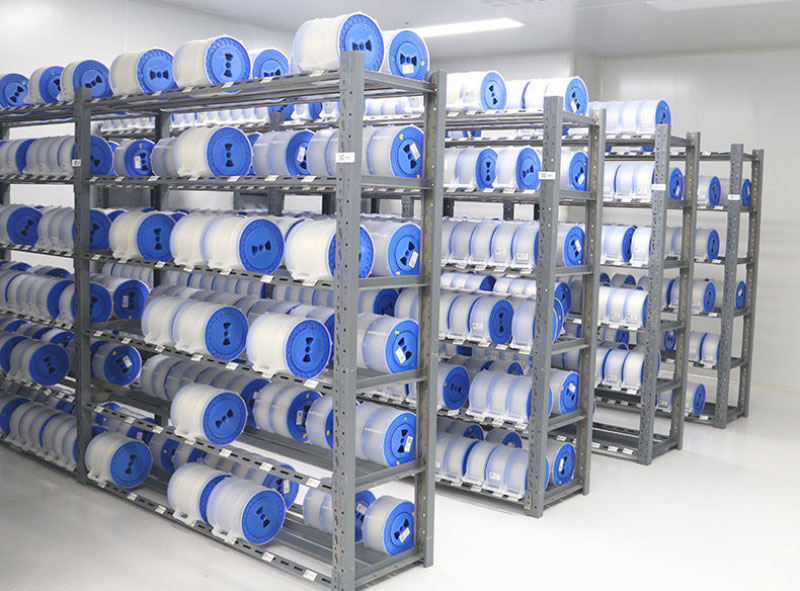
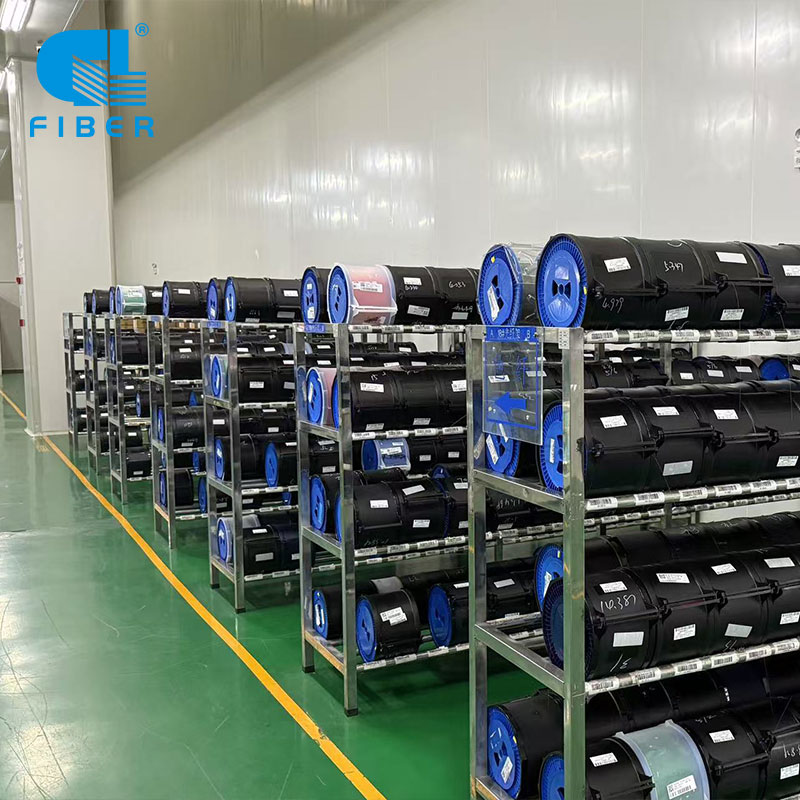
Unmatched Production Scale and Reliability: With 21 years of dedicated production experience, we have refined every stage of the manufacturing process. Our state-of-the-art facilities produce over 20,000 kilometers of optical fiber daily, making us one of the most capable and reliable sources in China. This scale guarantees stable supply for your largest projects and steady demand fulfillment.
Commitment to Superior Quality and Performance: Every kilometer of our G.652.D Low Loss Single-mode Fibre is manufactured to comply with or exceed ITU-T G.652.D and IEC standards. Our commitment is demonstrated in stringent testing protocols that ensure superior characteristics, such as an attenuation of ≤0.18 dB/km at 1550 nm and excellent bend performance, providing the reliable, high-speed backbone your networks require.
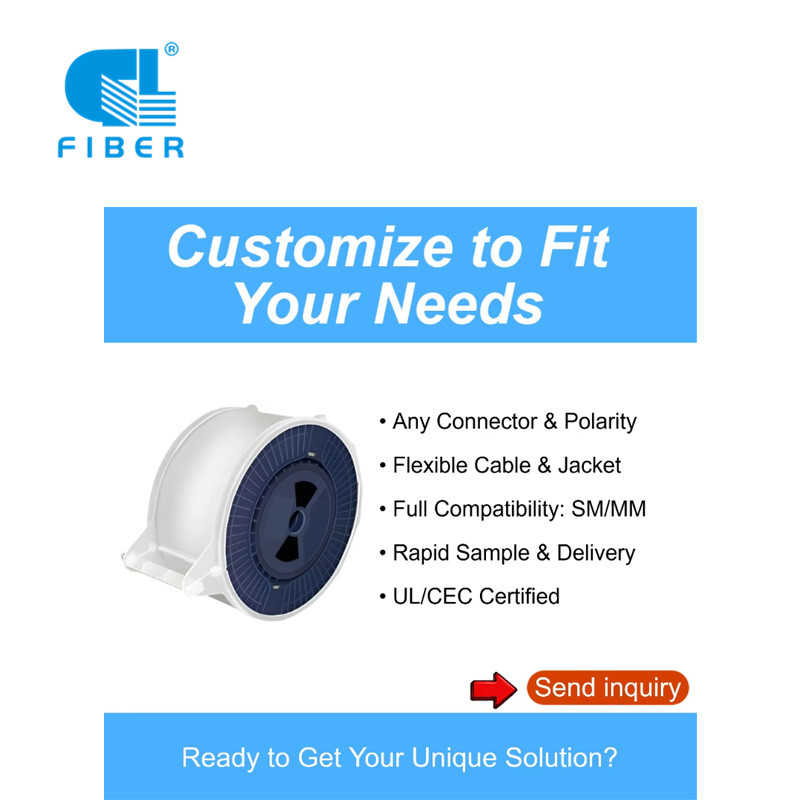
Complete Customization Service: We understand that standard products don't fit every project. GL FIBER offers comprehensive customization to meet your exact requirements:
- Fiber Parameters: Tailored attenuation, MFD, or proof test levels.
- Cable Configuration: Custom cable diameter and structure.
- Packaging: Specific reel/axis length, color coding for easy identification, and branded outer packaging.
- Branding: We can apply your company logo directly onto reels or packaging, supporting your brand in the field.
Conclusion
The evolution from standard single mode fiber to a diverse portfolio including specialized plastic and transparent optical fiber reflects the dynamic needs of our digital world. Success in this environment depends on selecting a partner with the technical expertise, manufacturing muscle, and flexibility to deliver.
GL FIBER embodies this ideal partner. As a Chinese source factory with 21 years of expertise and a formidable daily capacity of 20,000 km, we offer the perfect synergy of quality, scale, and custom solutions. We invite you to leverage our experience to build faster, more reliable, and future-ready networks.
Explore our flagship G.652.D Plus Low Loss Single-mode Fibre and discuss your custom requirements by visiting our product page: G.652.D Plus Low Loss Single-mode Fibre. Contact us today to request a quote for your project.