

In the world of optical fiber networks, choosing the right single mode fiber is critical for performance, cost-efficiency, and future-proofing your infrastructure. Among the various standards, G.652.D, G.657.A1, and G.657.A2 fibers are widely used but serve different purposes. This article breaks down their key differences, advantages, and ideal applications to help you make an informed decision.
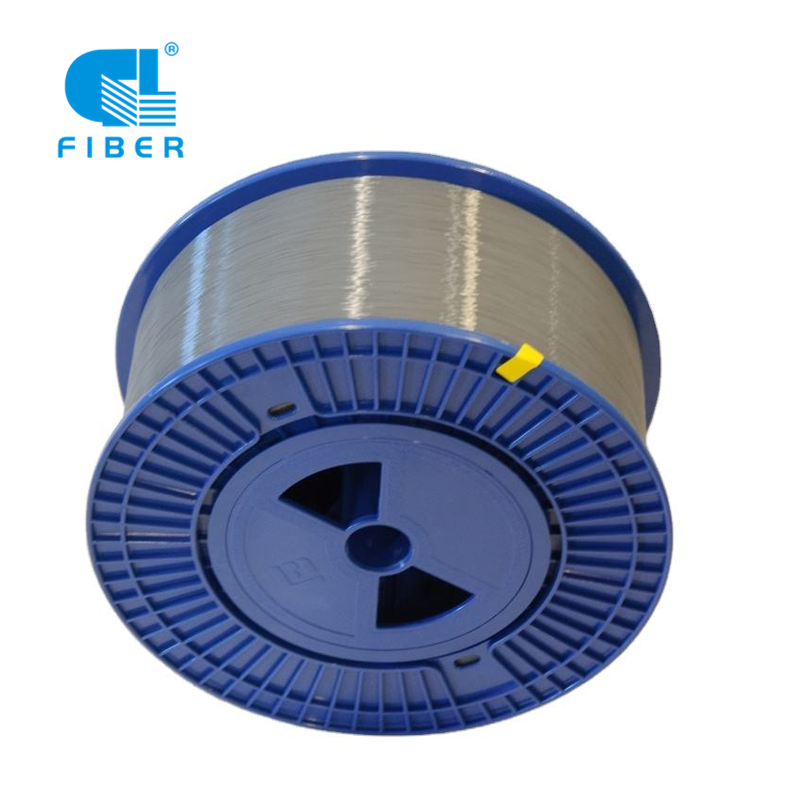
Understanding the Basics: Bare Optical Fiber
At its core, every optical cable relies on a bare optical fiber—the transparent optical fiber that transmits light signals. This high-purity raw material fiber, primarily made from silica glass, is engineered with specific geometric and optical properties to minimize signal loss. As a G.652D fiber manufacturer with 21 years of expertise, GL FIBER masters the intricate production of these fundamental components, ensuring exceptional quality from the ground up.
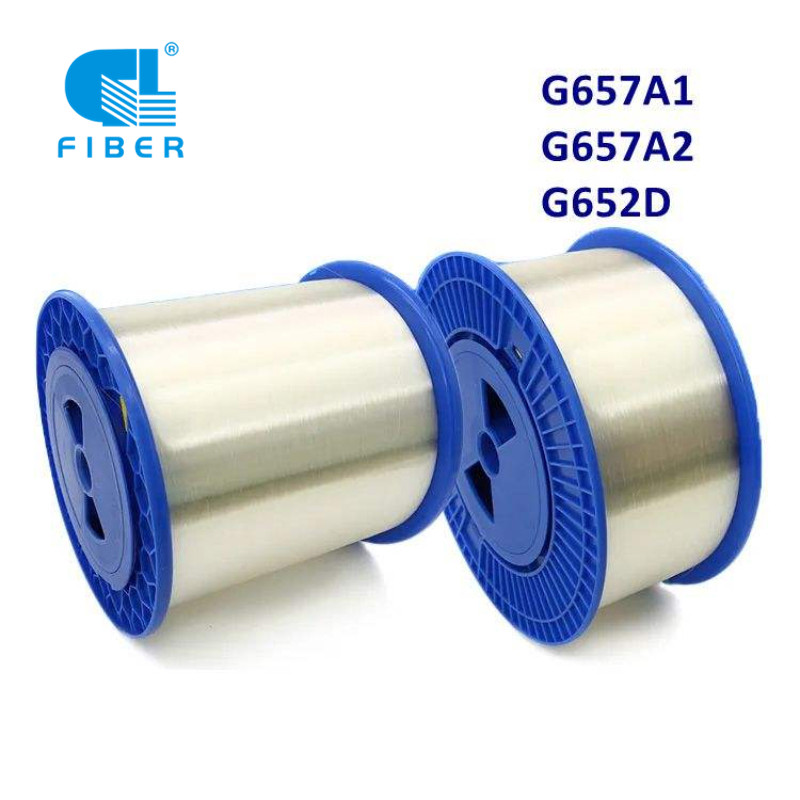
Detailed Comparison: G.652.D, G.657.A1, and G.657.A2 Fibers
1. G.652.D Fiber: The Universal Standard
G.652.D, often called the "standard single-mode fiber," is the most common and versatile type.
Key Features: It features a zero-dispersion wavelength around 1310nm and is optimized for use in the 1310nm, 1550nm, and 1625nm windows. It is fully backward compatible with earlier G.652 variants.
Bend Insensitivity: It offers standard macrobend performance. While reliable, it is less tolerant of tight bends compared to the G.657 series.
Primary Applications: Ideal for long-haul networks, metropolitan area networks (MANs), and feeder/trunk applications where fibers are laid in relatively straight paths with minimal bends.
2. G.657.A1 Fiber: The Bend-Improved Fiber
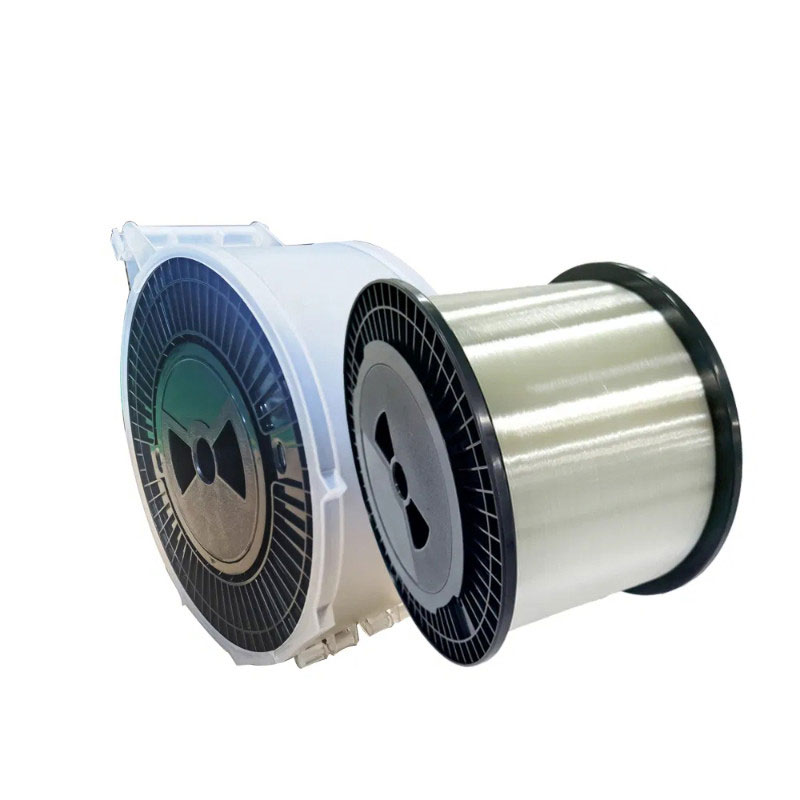
The G657A1 fiber represents the first step towards enhanced bend performance while maintaining full compatibility with G.652.D fibers.
Key Features: It is a subset of the G.657 family designed for easier installation in space-constrained environments. It maintains the same geometrical parameters as G.652.D, allowing seamless splicing.
Bend Insensitivity: It offers significantly improved macrobend loss performance over G.652.D, with a minimum bend radius of 10mm for 10 turns.
Primary Applications: Perfect for FTTx (Fiber to the Home/Premises) networks, building cabling, and other installations where fibers may experience moderate bends.
3. G.657.A2 Fiber: The Superior Bend-Optimized Fiber
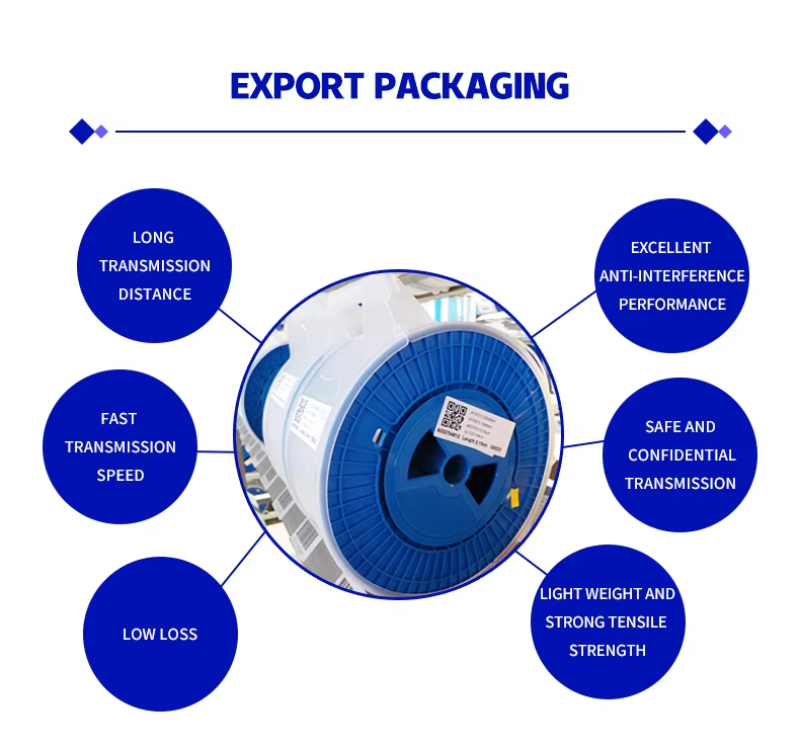
G657A2 fiber takes bend resistance to the next level, designed for the most challenging installation environments.
Key Features: It offers even tighter bend radius capabilities while still maintaining compatibility with G.652.D fibers for splicing and connectivity.
Bend Insensitivity: It provides superior performance with a minimum bend radius of 7.5mm for 10 turns, drastically reducing installation space requirements and risk of signal loss in tight corners.
Primary Applications: Essential for high-density applications, compact closures, tight ducts, and advanced FTTx deployments like inside apartments or offices where fibers are sharply bent.
Industry Trends and Data-Driven Insights
The global fiber optic market is evolving rapidly, driven by the insatiable demand for bandwidth. Big data analysis reveals clear trends:
The Rise of Bend-Insensitive Fibers: With the accelerated rollout of 5G, FTTH, and smart city projects, the demand for G657A1 fiber and G657A2 fiber is skyrocketing. Their ability to simplify installation, reduce maintenance costs, and enable dense layouts is crucial for last-mile connectivity.
Compatibility is Key: The success of the G.657.A1/A2 standards lies in their backward compatibility with the vast installed base of G.652D fiber. This allows network operators to upgrade and expand without overhauling existing infrastructure.
Future-Proofing Networks: As networks become denser and more complex, choosing fibers with superior bend performance like G.657.A2 is a strategic move to ensure scalability and reliability for next-generation applications.
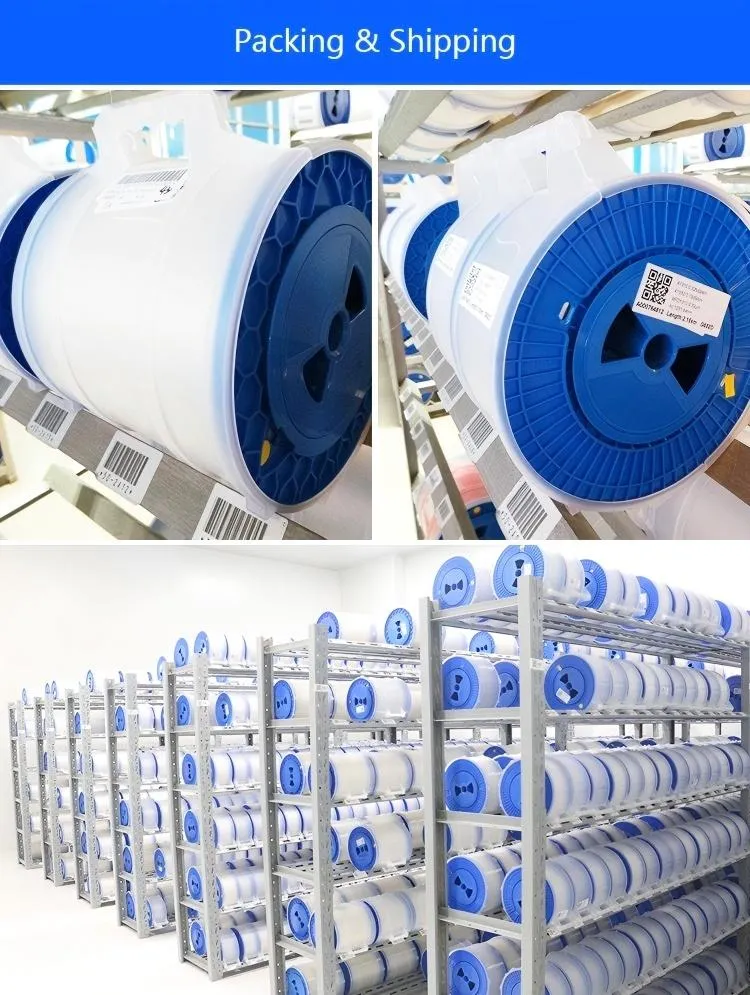
Why Source Your Single Mode Fiber from GL FIBER?
Choosing the right supplier is as important as choosing the right fiber standard. Here’s why GL FIBER stands out as your optimal partner:
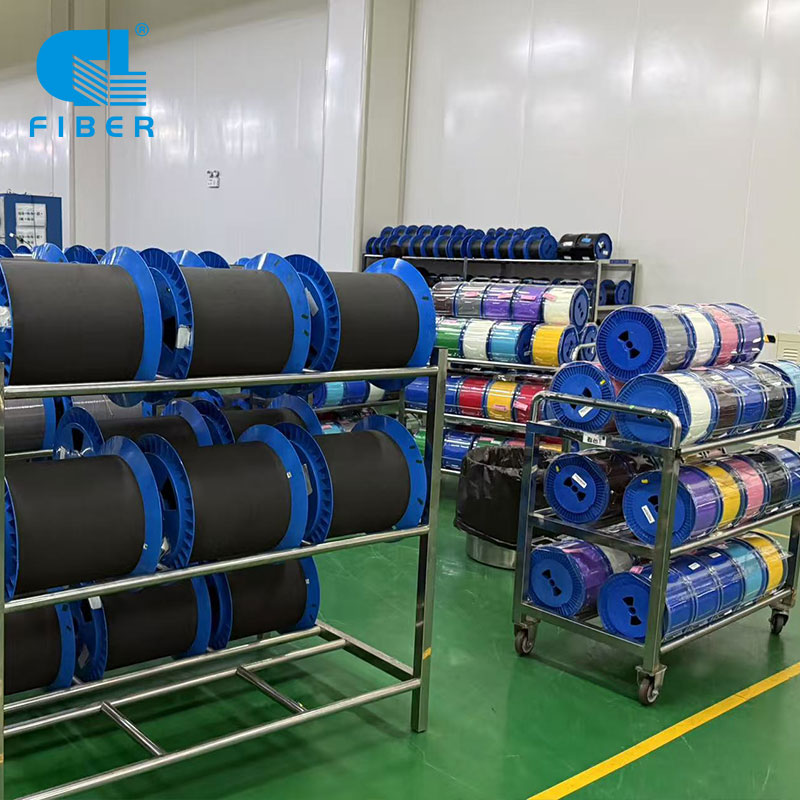
Unmatched Expertise & Scale: As a Chinese source factory with 21 years of production experience, we possess deep technical mastery over every stage, from raw material fiber processing to the final bare optical fiber. Our state-of-the-art facilities boast a massive daily production capacity of 20,000 KM/DAY, ensuring we can reliably meet large-scale global demands.
Full Customization Support: We understand that one size does not fit all. Beyond providing standard G.652.D, G.657.A1, and G.657.A2 fibers, we offer comprehensive customization options. You can specify parameters like cable diameter, reel/axis length, fiber color, outer packaging, and even custom branding with your logo.
Commitment to Quality: Our stringent quality control processes guarantee that every kilometer of our transparent optical fiber meets or exceeds international standards (ITU-T, IEC), delivering low attenuation and consistent performance.
Conclusion
The choice between G.652.D, G.657.A1, and G.657.A2 fibers hinges on your specific application, installation environment, and need for bend resistance. While G.652.D remains the backbone standard, G.657.A1 and A2 fibers are indispensable for modern, dense, and bend-prone network architectures.
Partner with a manufacturer that combines scale, flexibility, and proven expertise. For premium single mode fiber that powers the future of connectivity, contact GL FIBER today. Let us provide the reliable, high-performance fiber core for your next project.