

The global fiber optics market is experiencing a seismic shift in 2026. What was once a stable commodity market has transformed into a high-stakes arena characterized by FPV fiber shortages, soaring prices, and unprecedented demand from emerging sectors like AI data centers and drone warfare. For procurement professionals, understanding this new landscape is critical to securing supply chains and avoiding costly delays.
Market Overview: Why Fiber Prices Are at 7-Year Highs
According to recent industry data, the price of standard single mode fiber (G.652.D) in the Chinese market has surpassed 40 CNY per core kilometer, marking the highest point in nearly seven years, with cumulative increases ranging from 94% to 144% since late 2025 . This price rally is not a temporary fluctuation but a structural realignment driven by three key forces.
1. AI Data Centers: The New Demand Engine
The rise of Generative AI and hyperscale data centers has fundamentally redefined fiber demand. A single large-scale GPU cluster can require tens of thousands of fiber kilometers for internal connections and Data Center Interconnect (DCI) applications . According to CRU data, AI-related fiber consumption is projected to grow from 5% of global demand in 2024 to 30% by 2027 . Major tech giants are locking in supply through multi-billion dollar long-term agreements, signaling that demand for single mode fiber will remain tight for the foreseeable future.
2. FPV Drone Fiber: An Emerging Market
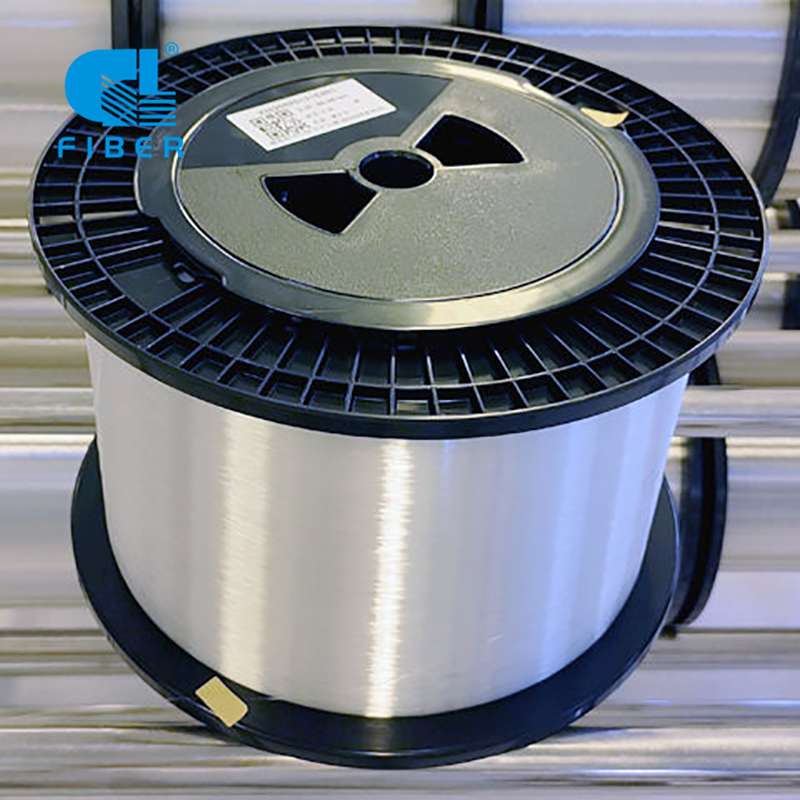
Modern electronic warfare has created a surprising but massive new consumer of fiber optics. First-Person View (FPV) drones utilizing fiber optic spools for anti-jamming capabilities have surged in demand. These drones deploy drone optical fiber as they fly, requiring ultra-thin, bend-insensitive G657A2 fiber that can withstand harsh conditions while maintaining signal integrity . Current estimates place drone-related fiber demand at approximately 50 million core kilometers annually, with Russian fiber manufacturing entirely dependent on Chinese supply after domestic facilities were incapacitated .
3. Supply-Side Constraints
The production of fiber optic spools and bare fiber faces significant bottlenecks. Optical preform production lines are running at 100% capacity globally, and expanding preform capacity requires 18-24 months of lead time . Additionally, manufacturing G657A2 fiber consumes more production line time than standard G.652.D fiber, effectively reducing overall industry capacity for conventional products .
Data-Driven Price Analysis: Where Are We Headed?
Recent market data reveals the severity of the current situation:
- January 2026: G.652.D single mode fiber prices hit 35-40 CNY per core kilometer, with some channel quotes exceeding 50 CNY
- February 2026: Major telecom operators began suspending procurement bids due to price-cost inversions
- Export Markets: Fiber material prices to Russia increased 2.5 to 4 times compared to early 2025
- Forecast Outlook: Multiple securities firms expect the price rally to continue throughout 2026. With preform capacity maxed out and AI demand still accelerating, the supply-demand gap is projected to approach 100 million core kilometers annually . The market has entered a "one price per day" volatility phase where quotes may change within 24 hours.
GL FIBER: Your Strategic Partner in a Supply-Constrained Market
In this challenging environment, choosing the right supplier is critical. GL FIBER distinguishes itself as a Chinese source factory with 22 years of manufacturing experience in the fiber optics industry. We are not traders or middlemen—we are the manufacturers, with full control over our production process from preform to finished fiber.
Unmatched Production Capacity
While other suppliers struggle to secure production slots, GL FIBER continues to deliver:
- Daily Output: 2,000 KM/DAY for A2 fiber cores
- Rapid Delivery: 100,000 KM within 15 days
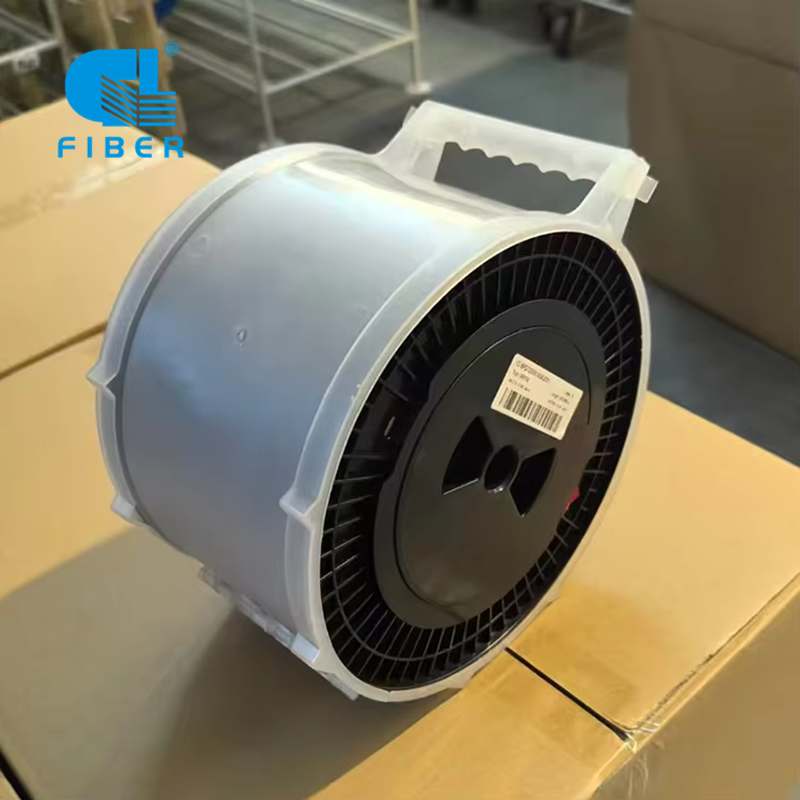
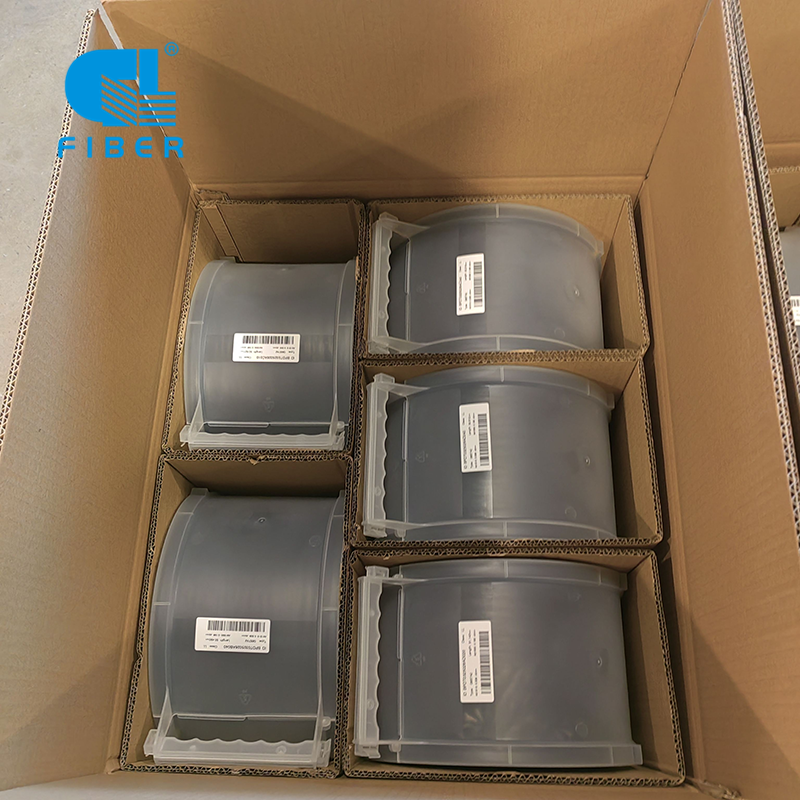
- Full Customization: Core diameter, spool length, color, outer packaging, and private logo options
Customization Services
We understand that every project has unique requirements. GL FIBER supports comprehensive customization:
- Fiber Specifications: Customizable core diameter and coating parameters
- Packaging Options: Reel length, reel materials, and outer packaging design
- Branding: Private labeling with your company logo and colors
- Strategic Procurement Advice: Timing Your Purchases
Based on current market dynamics and industry analysis, here is our strategic advice for buyers:
When Will Prices Drop?
Industry analysts project that current supply constraints will persist through 2026 and into 2027. New preform capacity, even if initiated immediately, would not come online until late 2027 at the earliest . Therefore, significant price reductions are unlikely before 2028.
Best Time to Buy
Given the "one price per day" volatility, delaying purchases risks higher costs. We recommend:
- Move Now for 2026 Projects: If you have projects planned for Q3 or Q4 2026, place orders immediately to secure capacity and current pricing.
- Consider Blanket Orders: Establish long-term forecasts with suppliers who have proven production capacity. GL FIBER welcomes volume commitments that allow us to reserve production slots for your needs.
- Avoid Just-in-Time Purchasing: The era of spot buying for fiber is over. Production slots are fully booked, and waiting for availability will lead to project delays.
What to Look for in a Supplier?
- Source Factories with Preform Integration: Suppliers without their own preform capacity are first to run out of stock. GL FIBER's 22-year history ensures stable raw material access.
- Proven Delivery Track Record: Look for suppliers who can demonstrate rapid fulfillment capabilities.
- Customization Flexibility: Suppliers who can accommodate your specific packaging and branding needs reduce secondary processing requirements.
Conclusion
The fiber optic industry has entered a new era defined by high-performance computing and specialized applications. The convergence of AI infrastructure and drone technology has created a demand tsunami that has permanently altered the supply-demand balance.
For companies seeking reliable access to FPV fiber, drone optical fiber, single mode fiber, and fiber optic spools with G657A2 fiber specifications, the time to act is now. GL FIBER stands ready as your manufacturing partner—with 22 years of experience, daily production of 2,000 KM, and the ability to deliver 100,000 KM within 15 days, we offer the stability and speed this volatile market demands.
Contact GL FIBER today to discuss your volume requirements, customize your specifications, and secure your fiber supply chain against the dynamic 2026 market.