

If you are sourcing optic fiber for drone fiber applications in 2026, you have likely noticed a brutal reality: prices are volatile, supply is tight, and the market is flooded with questionable products labeled as genuine g657a2.
As a leading manufacturer of optical fiber spool and fiber optic drone solutions, GL FIBER has watched this market transform over the past 18 months. What was once a stable commodity has become one of the most sought-after materials in the global supply chain.
This article analyzes current market demand for single mode fiber and bare fiber, provides price trend data—including competitor pricing from YOFC, Hengtong, and FiberHome—and most importantly, gives you practical, actionable advice to avoid purchasing counterfeit or substandard G.657.A2 fiber.
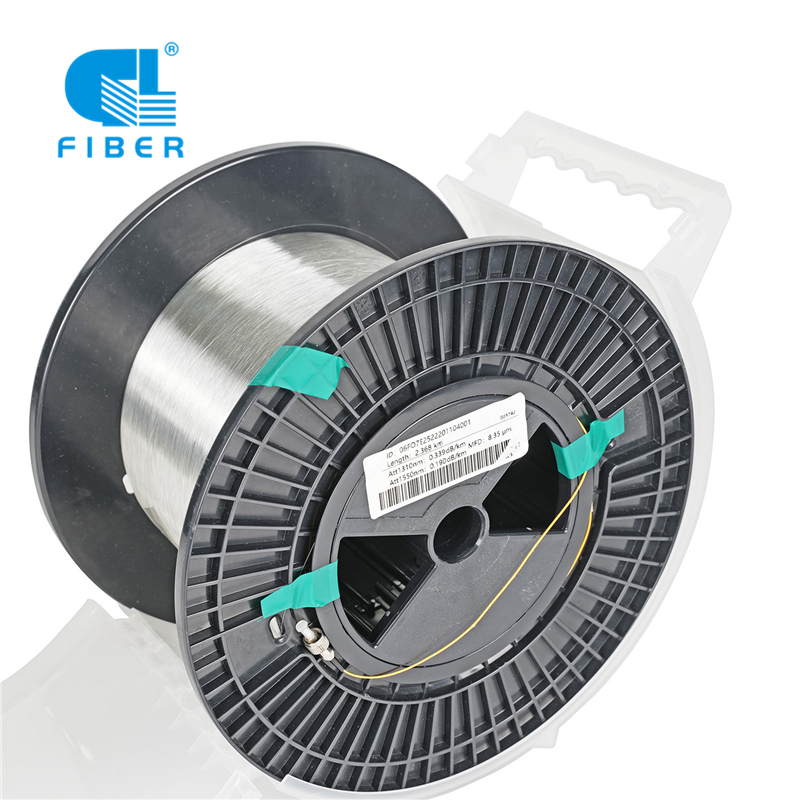
Market Demand: Why Is G657A2 Fiber So Critical?
The demand surge for G.657.A2 fiber is driven by two powerful forces:
1. AI Data Centers
AI infrastructure is consuming fiber at an unprecedented rate. A single GPU cluster requires 5 to 10 times more fiber than traditional data centers. The global fiber optic market is experiencing what industry analysts call a "super cycle," with major cloud providers committing over $600 billion in 2026 capital expenditures primarily for AI infrastructure.
2. Drone Fiber Optic Technology
The second demand driver is fiber optic drone technology, where G.657.A2 has become the standard. Unlike traditional radio-controlled drones, tethered drones using optical fiber spool systems offer immunity to jamming and superior bandwidth. Each mission consumes 20–40 kilometers of specialized bare fiber, and because the fiber is not recovered, this represents pure consumable demand.
The result: A perfect storm of demand that has overwhelmed global production capacity.
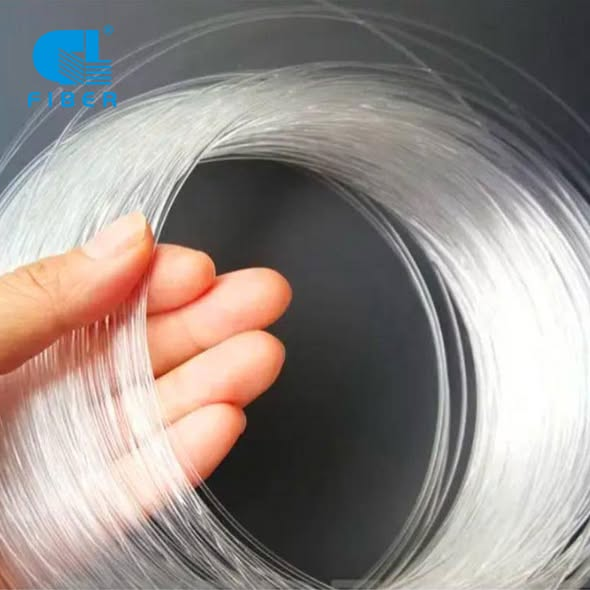
Current Price Trends: G657A2 & Competitor Analysis
G657A2 Price Evolution
Time Period G.657.A2 Price (per km)
- Late 2025 ~$4.50
- January 2026 ~$5.80
- March 2026 ~$33.00
- May 2026 (Current) ~$26.00
Source: Industry market data, May 2026
The current market price for G.657.A2 optical fiber is approximately $26/km—a more than 450% increase from late 2025 levels.
Competitor Pricing Analysis
Based on market research and direct procurement data, here is where major Chinese manufacturers currently stand on G.657.A2 fiber pricing:
Manufacturer Estimated G.657.A2 Price (per km) Order Lead Time Key Advantage
YOFC ~$28–32 20+ weeks Largest preform capacity globally
Hengtong ~$27–31 18–24 weeks AI fiber R&D center expansion
FiberHome ~$28–33 20+ weeks Strong domestic telecom presence
GL FIBER ~$26 12–16 weeks Source-factory direct, flexible MOQ
Key observations:
- YOFC, the world's largest fiber preform manufacturer, has seen its specialty fiber order ratio reach 40% as it shifts capacity toward higher-margin products.
- Hengtong's AI fiber materials R&D center is currently in equipment installation phase, with stock prices up over 100% year-to-date.
- Industry-wide, G.657.A2 prices have increased approximately 650% year-over-year, with some spot market quotes reaching even higher levels.
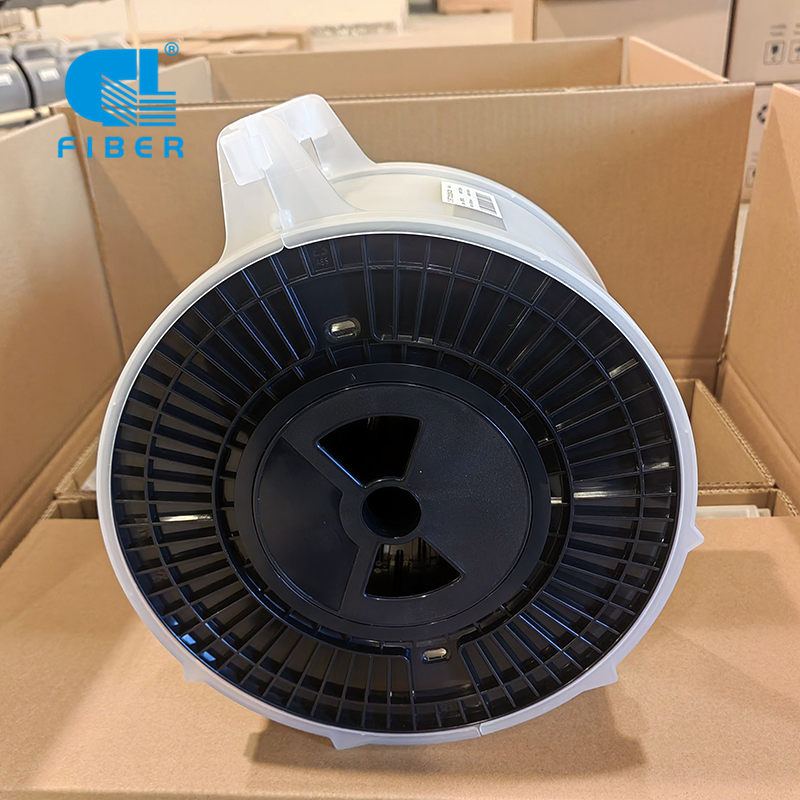
Why GL FIBER Can Offer Competitive Pricing?
As a direct source factory with 22 years of manufacturing experience, GL FIBER maintains:
- No middleman markups – Factory-direct pricing
- Controlled preform supply – Integrated production chain
- Efficient production scheduling – Optimized for specialty fiber runs
The Counterfeit Crisis: Why Cheap G657A2 Is a Trap
The extreme price surge has created a perfect environment for counterfeiting. Here is what you need to know:
The A1 vs. A2 Trap
The most common counterfeit scheme involves selling G.657.A1 fiber labeled as A2. These two products look nearly identical but have critical performance differences:
Parameter G.657.A1 (Fake) G.657.A2 (Real) Why It Matters
- Min Bend Radius 10 mm 7.5 mm A2 handles tighter bends
- Macrobending Loss (1550nm, 15mm radius) ≤ 0.25 dB ≤ 0.03 dB Real A2 has ~88% lower loss
- Typical Use FTTH, general Drones, AI data centers A2 required for mission-critical apps
- Price (May 2026) ~$15–18/km ~$26/km Counterfeiters undercut by ~40%
- The risk: If you purchase A1 fiber labeled as A2 for fiber optic drone applications where the fiber must endure extreme bending during deployment, the product can fail in the field. Signal loss at tight bends can render your drone inoperative at critical moments.
YOFC, Hengtong & FiberHome Quality Standards
Major manufacturers like YOFC, Hengtong, and FiberHome all produce genuine G.657.A2 fiber that meets ITU-T standards. However, the current supply crunch has created a secondary market where:
Traders may mix grades – A1 and A2 can look identical without proper testing
Documentation can be forged – Not every supplier provides verifiable batch certificates
"Too good to be true" prices – Offers significantly below $26/km are almost certainly counterfeit or lower-grade product
How to Avoid Buying Fake G657A2 Fiber: 5 Actionable Steps
1. Demand Macrobending Loss Test Reports
Real G.657.A2 fiber can handle a 7.5 mm bend radius with ≤0.03 dB loss at 1550nm. A1 fiber starts losing signal at 10 mm with ≥0.25 dB loss.
What to ask for: Test reports at 1550nm and 1625nm with a 15mm bend radius. Do not accept "typical values"—demand batch-specific data.
2. Verify ITU-T Compliance Certificates
Legitimate single mode fiber comes with ITU-T G.657.A2 compliance documentation.
What to ask for: Certificates that match your shipment's batch number. Cross-reference the manufacturer's name and date. No certificates? No deal.
3. Question Unrealistic Pricing
This is the simplest red flag. When legitimate suppliers quote 26/kmfor∗∗G.657.A2∗∗,offersat∗∗15–18/km** are almost certainly A1 fiber or lower-grade product.
The math: If the price seems too good to be true, it is because someone is cutting corners—or selling you the wrong product entirely.
4. Partner with Source Factories, Not Traders
In a supply-constrained market, traders cannot guarantee allocation or authenticity. A source factory that controls its own preform and drawing capacity provides:
- Factory-direct pricing that eliminates middleman markups
- Direct insight into production slots and quality control
- Priority allocation for direct clients
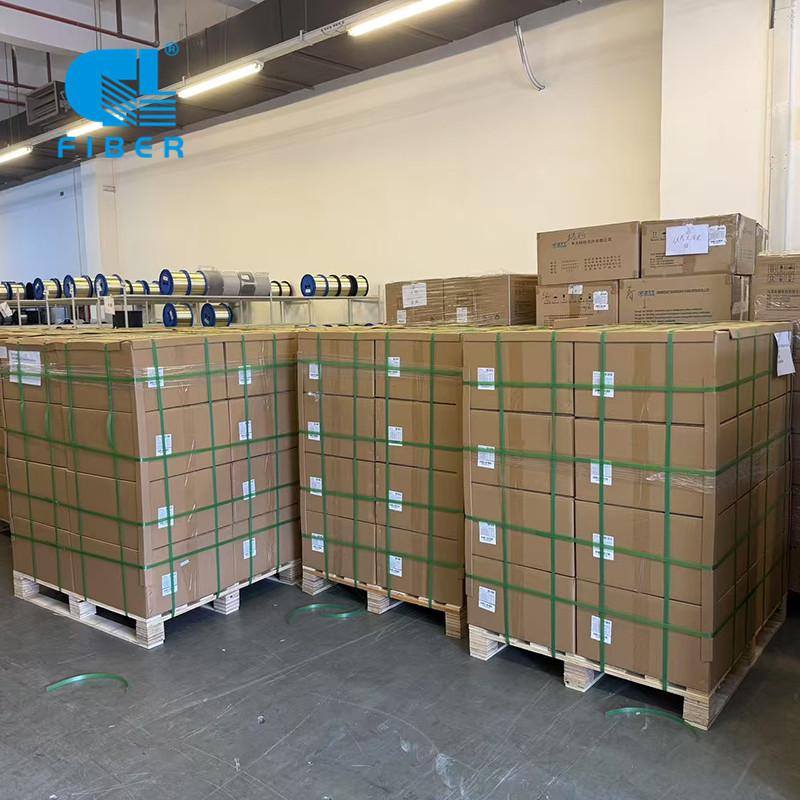
- GL FIBER has been manufacturing bare optical fiber for 22 years. We welcome factory visits and video calls—because we have nothing to hide.
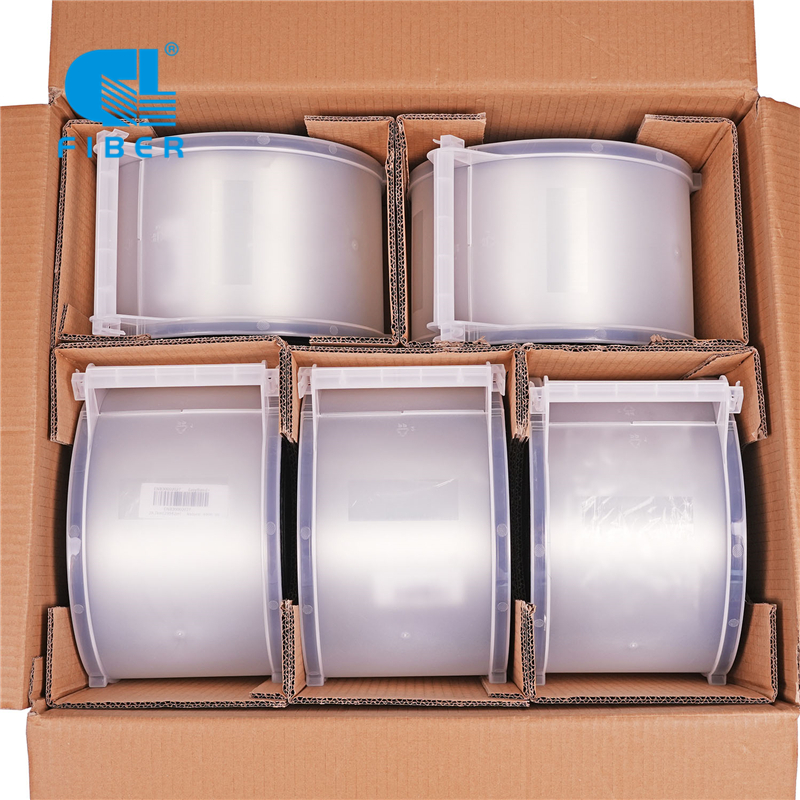
5. Inspect Physical Packaging and Spools
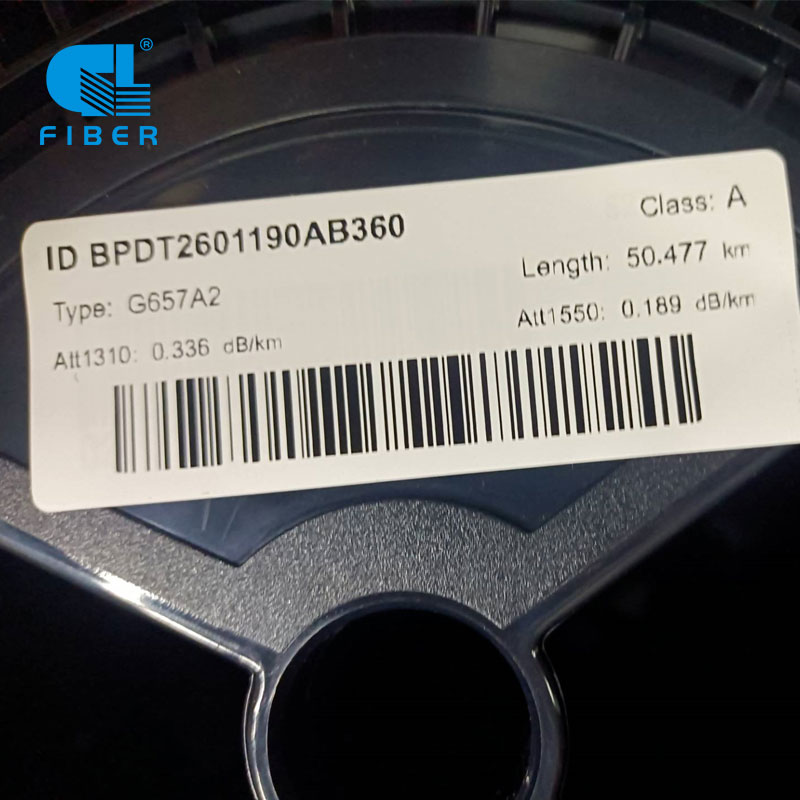
Counterfeiters often cut corners on packaging. When receiving your optical fiber spool shipment, check:
Check Point What to Look For?
- Spool labels Clear specifications with batch numbers
- Fiber diameter Consistent 0.25mm (standard for drone applications)
- Winding quality Professional spooling without tangles or uneven winding
- Packaging integrity Factory-sealed, no signs of repackaging
Red Flags: When to Walk Away
Red Flag What It Likely Means
- "No documentation available" Likely counterfeit or non-compliant product
- "We don't do factory visits" Hiding something—real manufacturers welcome transparency
- "100% upfront payment required" High scam risk, especially from unknown suppliers
- "Limited time offer - buy now" Classic pressure tactic to prevent due diligence
Price significantly below $26/km Almost certainly A1 fiber or lower grade
Vague company history Potential fly-by-night operation
When to Purchase: Timing Your Order
The 2026 supply-demand gap for G.657.A2 fiber is estimated at approximately 46% of global demand—a deficit unseen in the industry's history.
Current industry lead times:
- Standard fiber (G.652.D): 20+ weeks
- G.657.A2 (specialty): 12–25 weeks, depending on supplier
- Custom orders: Up to 50 weeks for specialized requirements
- Best time to purchase: Given that new preform capacity requires 18–24 months to come online and is not expected until late 2027 at the earliest, waiting for a price drop is a losing strategy. The current market reflects a new structural reality driven by AI and drone demand.
Our recommendation: Lock in your Q3–Q4 2026 orders now. With production slots filling quickly and lead times extending further, proactive procurement is essential.
Conclusion
The G.657.A2 fiber market in 2026 presents both opportunity and risk. Prices have stabilized around $26/km for quality product from direct manufacturers, but the supply-demand imbalance shows no signs of easing in the near term.
Whether you need optic fiber for AI data centers, bare fiber for fiber optic drone applications, or single mode fiber for telecommunications, the key to successful procurement is:
- Verify, verify, verify – Demand test reports and certificates
- Partner with source factories – Avoid the trader trap
- Lock in capacity now – Lead times are only getting longer
GL FIBER has been manufacturing high-quality optical fiber since 2004. We maintain substantial G.657.A2 inventory and welcome all inquiries—with full transparency, factory-direct pricing, and verifiable quality documentation.
Ready to secure your G.657.A2 fiber supply? Contact GL FIBER today for current pricing, lead time information, and to schedule a factory tour (virtual or in-person).